
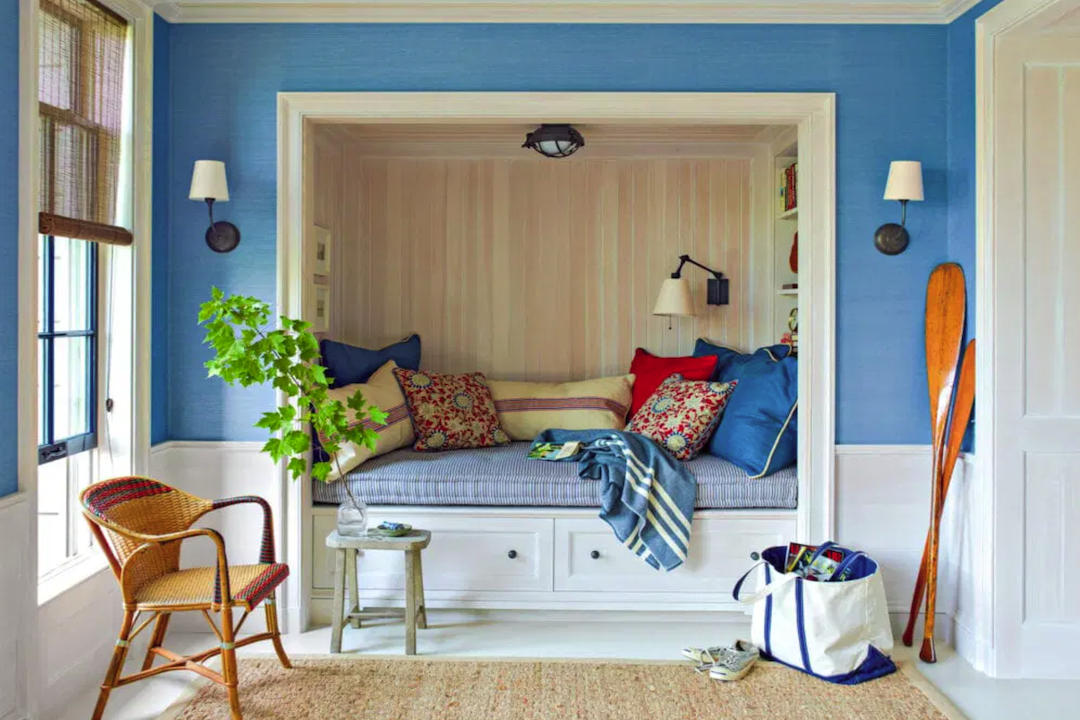
Create a Cozy Breakfast Nook with a Fabric Wall Sconce
A breakfast nook provides a designated space for informal dining, often in proximity to the kitchen. Integrating a fabric wall sconce can enhance the ambiance and functionality of this area. This article outlines the process of designing and implementing such a nook, focusing on practical considerations and aesthetic choices.
Before embarking on any physical changes, a comprehensive planning phase is crucial. This involves assessing the available space, considering functional requirements, and establishing a design aesthetic.
Assessing the Space
Identify potential locations for your breakfast nook. Common placements include corners in kitchens, areas adjacent to windows, or even underutilized sections of larger rooms. Measure the dimensions of the chosen area, taking into account wall lengths, ceiling heights, and obstructions such as windows, doors, or existing cabinetry. Consider the flow of traffic in and out of the kitchen and dining areas. A breakfast nook should complement, not impede, daily routines.
Defining Functional Requirements
The primary function of a breakfast nook is informal dining. However, secondary functions may include a reading spot, a homework station, or an additional workspace. If the nook will serve multiple purposes, ensure that your design accommodates these diverse needs. For example, if it will be used for reading, adequate task lighting Zeveau is essential. If it will double as a workspace, consider the proximity to electrical outlets for device charging.
Establishing a Design Aesthetic
The design of your breakfast nook should ideally harmonize with the existing decor of your home, particularly the adjacent kitchen. Consider the overarching style – modern, traditional, minimalist, rustic, or eclectic. This will influence your choice of materials, colors, and furniture. A cohesive design contributes to visual unity and a more integrated living space.
Choosing Your Fabric Wall Sconce
The fabric wall sconce serves as both a light source and a decorative element. Its selection requires careful consideration of its illumination properties, aesthetic appeal, and material characteristics.
Illumination and Light Quality
Wall sconces offer ambient, task, or accent lighting, depending on their design and placement. For a breakfast nook, a sconce offering a warm, diffused light is often desirable, creating an inviting atmosphere. Consider the direction of the light output – some sconces direct light upwards, others downwards, and some provide omni-directional illumination. The intensity of the light is measured in lumens. For a breakfast nook, a sconce that provides adequate illumination without being overly bright is generally preferred. Dimmable sconces offer flexibility in light intensity, allowing adjustment for different times of day or activities.
Aesthetic Considerations
The fabric shade of the sconce is a key visual component. Consider the color, pattern, and texture of the fabric. Neutral colors like off-white, beige, or light gray can offer versatility and blend with various decor styles. Bold patterns or vibrant colors can serve as a focal point. The texture of the fabric can add depth and warmth; examples include linen, cotton, or even specialty fabrics with subtle weaves. The shape and size of the sconce should be proportionate to the wall space and the overall scale of the nook. An oversized sconce in a small nook can overwhelm the space, while a diminutive sconce in a large nook may appear insignificant.
Fabric Type and Durability
The choice of fabric impacts both the aesthetics and the longevity of the sconce. Natural fibers such as cotton or linen offer a classic appeal but may require more careful cleaning. Synthetic fabrics, such as polyester blends, often provide increased durability and stain resistance, which can be advantageous in a dining environment. Consider the fabric’s ability to diffuse light effectively. Some fabrics are more opaque than others, influencing the glow emitted by the sconce. Regular cleaning of the fabric shade is advisable to maintain its appearance and light transmission.
Nook Furniture and Layout
The furniture selection and its arrangement are critical to the functionality and comfort of your breakfast nook. This section covers seating options, table choices, and spatial considerations.
Seating Options
Built-in bench seating, often upholstered, is a popular choice for breakfast nooks. Benches can maximize seating capacity in compact spaces and offer storage solutions beneath their seats. The upholstery fabric should be durable and easy to clean, given its use in a dining area. Alternatively, freestanding chairs or stools can be used. These offer flexibility in arrangement and can be replaced or relocated easily. If opting for chairs, ensure they are comfortable for extended periods and tuck neatly under the table. Consider the height of the seating in relation to your chosen table.
Table Selection
The table is the central element of the breakfast nook. Its shape and size should correspond to the available space and the expected number of users. Round or oval tables can promote conversation and flow better in smaller nooks, avoiding sharp corners. Rectangular or square tables can be practical for larger groups or if the nook is intended for tasks requiring a defined surface. Materials range from wood, which offers warmth and durability, to glass or metal, which can lend a modern aesthetic. Consider the table’s finish for ease of cleaning and resistance to spills.
Layout Principles
Efficient layout is paramount. Ensure adequate clearances around the table to allow for comfortable seating and movement. A rule of thumb is to allow at least 30-36 inches (76-91 cm) of clearance from the table edge to the nearest wall or obstruction. If bench seating is used, factor in space for people to slide in and out without difficulty. The fabric wall sconce should be positioned to provide adequate illumination over the table without creating glare. Its height should be such that it does not impede conversation or view across the table. Typically, sconces are mounted at eye level when standing, or slightly higher, to cast light downward onto the table.
Installation and Styling
The physical installation of the sconce and the overall styling of the nook bring the design to fruition. Attention to detail in these stages contributes significantly to the final outcome.
Electrical Considerations and Sconce Installation
If you are replacing an existing light fixture, the electrical wiring may already be present. If installing a new sconce where no wiring exists, a qualified electrician should be consulted to ensure safe and code-compliant installation. This involves running new wiring to the sconce location, installing a junction box, and connecting the fixture to the household electrical system. Once the electrical work is complete, the sconce can be mounted to the wall according to the manufacturer’s instructions. Ensure the sconce is securely fastened and level. Test the light before proceeding with further styling.
Complementary Decor and Accessories
Once the structural elements are in place, focus on smaller details that enhance the nook’s character. Cushions and throw pillows can add comfort and introduce additional color or pattern. A small vase with fresh flowers or a potted plant can bring life to the space. Wall art, such as framed prints or photographs, can personalize the nook and reinforce the desired aesthetic. Avoid overcrowding the space with too many accessories; a few well-chosen items are often more effective. Consider practical accessories like coasters or a small tray for serving.
Integrating with Existing Decor
The breakfast nook should not exist in isolation. Ensure its design elements, including the fabric wall sconce, complement the adjacent kitchen and overall home decor. This might involve repeating certain colors, materials, or textures found elsewhere in the house. For example, if your kitchen features stainless steel accents, integrate a sconce with metal detailing. If your home has a recurring motif, subtly incorporate it into the nook’s design. This “dialogue” between spaces creates a harmonious and cohesive living environment.
Maintenance and Longevity
Regular maintenance is essential to preserve the appearance and functionality of your breakfast nook and fabric wall sconce.
Fabric Sconce Care
The fabric shade of your sconce will accumulate dust over time. Regular dusting with a soft brush or a vacuum cleaner with an upholstery attachment can prevent buildup. For more stubborn marks, check the manufacturer’s care instructions for the specific fabric. Some fabrics can be spot cleaned with a mild detergent and water, while others may require professional cleaning. Avoid using harsh chemicals or abrasive materials, which can damage the fabric or alter its color. If the fabric is removable, occasional hand washing or dry cleaning may be an option, depending on the material.
Furniture Maintenance
Table surfaces should be cleaned regularly according to their material. Wood tables may benefit from periodic polishing or oiling. Glass tables require glass cleaner. Upholstered seating should be vacuumed regularly. Spills should be addressed promptly to prevent staining. For specific upholstery fabrics, refer to the care instructions provided by the furniture manufacturer. Regular inspection of furniture joints and hardware can identify potential issues before they become significant. Tighten any loose screws or bolts to maintain structural integrity.
General Upkeep of the Nook
Maintain overall cleanliness in the breakfast nook. Wipe down walls if necessary, and keep the flooring free of debris. Periodically assess the electrical connections of the sconce to ensure they remain secure (this should be done by a qualified individual if accessing internal wiring). Consider seasonal adjustments to decor, such as changing out throw pillows or adding festive accents, to keep the space fresh and engaging. A well-maintained breakfast nook, with a well-cared-for fabric wall sconce, will continue to be a cherished and functional space within your home for many years.