Bedside Glow: Above-the-Nightstand Fabric Light
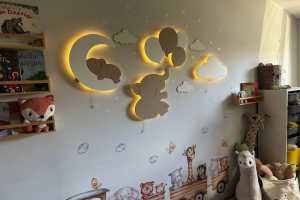
The “Bedside Glow: Above-the-Nightstand Fabric Light” represents a category of lighting fixtures designed for placement directly above a bedside table. This design addresses several common issues associated with traditional bedside illumination, such as limited surface area on nightstands, direct glare from exposed bulbs, and a desire for softer, more diffused light within the bedroom environment.
The core objective behind the “Bedside Glow” concept is to integrate light inconspicuously while maintaining functionality. Unlike freestanding lamps that occupy valuable nightstand space or wall-mounted sconces that may require invasive installation, these fabric lights are intended for discreet upward mounting. The “above-the-nightstand” positioning is deliberate, aiming to clear the bedside surface for personal items such as books, water glasses, or charging devices.
Space Optimization
Consider your typical nightstand. It often serves as a miniature command center after dark. A conventional lamp, particularly one with a broad base, can consume a significant portion of this limited real estate. The “Bedside Glow” design explicitly seeks to liberate this space. By suspending the light source above, it acts as an aerial canopy, providing illumination without physical imposition on the functional surface below. This is akin to moving a bulky file cabinet off a desk and installing a digital archive – the function remains, but the physical footprint diminishes.
Glare Reduction and Diffused Illumination
Direct light sources, especially those with exposed bulbs, can contribute to visual discomfort, particularly in the low-light conditions of a bedroom. The fabric shade integral to “Bedside Glow” serves as a natural diffuser. This diffusion scatters light, reducing harsh shadows and mitigating direct glare. Imagine the difference between a bare light bulb and sunlight filtering through a sheer curtain; the latter offers a softer, more enveloping glow. This characteristic is particularly beneficial for late-night reading or winding down, where softer light promotes relaxation rather than stimulating alertness.
Aesthetic Integration
The use of fabric as the primary material for the light’s shade allows for a range of aesthetic possibilities. Fabric introduces texture and warmth, which can be challenging to achieve with more rigid materials like metal or plastic. The aesthetic aim is to blend the light fixture into the bedroom decor rather than making it a dominant visual element. It is designed to be a supporting actor, not the lead role, in the theatrical production of your bedroom’s visual mood.
Construction and Materials
The construction of a “Bedside Glow” light typically involves a minimalist framework supporting the fabric shade and housing the light source. Material selection prioritizes both functionality and safety.
Framework Composition
The internal structure, often referred to as the frame, is typically constructed from lightweight but durable materials. Common choices include:
- Metal Alloys: Aluminum or steel, often powder-coated for a finished appearance and corrosion resistance. These provide the necessary rigidity to support the fabric and internal components.
- Engineered Woods: High-density fiberboard (HDF) or plywood, sometimes veneered, can also form sections of the frame, particularly in custom or artisan-made versions.
- Plastics: Certain high-grade, heat-resistant plastics may be used for less structural components or internal housings, often chosen for their light weight and ease of molding.
The frame’s design often incorporates a mechanism for mounting to a wall or headboard, ensuring stability and safety.
Fabric Shade Characteristics
The fabric shade is the defining characteristic of this light category. The choice of fabric influences both the light quality and the overall aesthetic.
- Diffusing Qualities: Textile properties like weave density, fiber composition, and color directly impact how light passes through. Looser weaves or lighter colors generally allow for greater light output and softer diffusion.
- Material Types:
- Linen: Valued for its natural texture, breathability, and subtle light diffusion. It often provides a rustic or organic feel.
- Cotton: A versatile and widely available option, cotton shades can range from sheer to opaque, offering various levels of light control.
- Polyester Blends: Often used for durability, stain resistance, and consistency in color. They can mimic natural fibers or offer more contemporary aesthetics.
- Silk: Offers a luxurious feel and a distinct shimmer, though it may be more delicate and require careful maintenance.
- Fire Retardancy: For safety, particularly in enclosed light fixtures, fabrics are often treated with fire-retardant chemicals or are inherently fire-resistant. This is a critical consideration given the proximity of electrical components and heat generation.
Light Source Modalities
The type of light source impacts energy consumption, heat generation, and color temperature. Modern “Bedside Glow” lights predominantly utilize LED technology.
- LED (Light Emitting Diode):
- Energy Efficiency: LEDs consume significantly less power than incandescent or fluorescent bulbs, making them an economical choice for prolonged use.
- Longevity: LEDs have a remarkably long lifespan, often tens of thousands of hours, reducing the frequency of bulb replacement.
- Low Heat Emission: Unlike incandescent bulbs, LEDs produce minimal heat, which is a key safety feature for fabric-enclosed fixtures. This also contributes to the longevity of the fabric itself, preventing discoloration or degradation from heat exposure.
- Color Temperature Control: Modern LEDs offer a range of color temperatures, from warm white (2700K-3000K, mimicking incandescent) to cool white (4000K-5000K), allowing users to select the most appropriate light for relaxation or reading.
- Dimming Capabilities: Many LED drivers can be integrated with dimmer switches, offering granular control over light intensity, which is particularly desirable in a bedside context.
Installation and Placement Options
The utility of “Bedside Glow” lights lies in their flexible installation, catering to various bedroom configurations and aesthetic preferences.
Wall-Mounted Above Nightstand
This is the most common and often intended installation method. The light fixture is secured directly to the wall at a height that centers it above the nightstand.
- Wiring Considerations:
- Hardwired: For a clean, integrated look, the light can be hardwired directly into the home’s electrical system. This typically requires professional installation during construction or renovation, as it involves routing wires within the wall.
- Plug-in: Many models offer a plug-in option, often with a fabric-wrapped cord for aesthetic integration. This provides easier installation for renters or those who prefer not to alter their walls excessively. Cable management solutions (e.g., cord covers, clips) can be employed to minimize visual clutter.
- Height and Centering: Optimal placement usually involves ensuring the bottom edge of the light fixture is approximately 15-20 inches above the nightstand surface. This height is generally conducive to comfortable reading without casting excessive shadows or creating a visual obstruction. Centering it horizontally above the nightstand creates visual balance.
Headboard-Mounted Variations
Some designs are engineered to attach directly to a headboard, offering an alternative for those who prefer not to drill into walls or have unique headboard designs.
- Attachment Mechanisms: These can include clamps, brackets, or bolt-through systems, designed to be stable and prevent damage to the headboard material.
- Integrated Solutions: In some bespoke furniture designs, the “Bedside Glow” light might be an integrated component of the headboard itself, appearing as a seamless extension rather than an add-on.
Considerations for Double Beds
For double beds, queen, or king-sized beds, two separate “Bedside Glow” fixtures are typically employed, one above each side of the bed. This allows for individual control of lighting for each occupant, preventing disturbances if one person wishes to read while the other sleeps. Independent switches or dimmers for each light become crucial in such scenarios.
Functional Advantages and User Experience
The practical benefits of “Bedside Glow” lights extend beyond mere illumination, significantly impacting the user’s daily experience.
Enhanced Reading Comfort
The diffused, downward-directed light from these fixtures is particularly well-suited for reading. Unlike harsh overhead lights that can cause eye strain or concentrated spotlights that create shadows, the fabric light disperses illumination evenly over the reading material. The ability to dim the light allows users to adjust intensity to their preference, accommodating different levels of ambient light or visual sensitivity. Think of it as a personal, adjustable spotlight for your book, but one that’s soft on the eyes.
Reduced Clutter and Improved Aesthetics
The freeing of nightstand space is a critical functional benefit. This allows for organization and personalization, transforming the nightstand from a functional necessity to a more thoughtfully curated space. The minimalist aesthetic of many “Bedside Glow” designs contributes to a cleaner, less visually busy bedroom environment. This can foster a sense of calm, crucial for a space dedicated to rest.
Ambient Mood Lighting
Beyond direct task lighting, these fixtures can contribute significantly to the overall ambient mood of a bedroom. The warm glow emanating from a fabric shade, especially when dimmed, can create a cozy and inviting atmosphere. This is particularly effective during evening hours, transitioning the room from a functional space to a peaceful sanctuary. It’s akin to the subtle warmth from a fireplace, providing comfort without overwhelming.
Accessibility and Control
Modern “Bedside Glow” lights often incorporate various control mechanisms, enhancing user convenience.
- In-line Switches: Simple toggle or rocker switches on the cord (for plug-in models).
- Wall Switches: Integrated with the room’s main electrical system for hardwired options.
- Dimmer Switches: Essential for adjusting light intensity, providing adaptability for various activities.
- Touch Controls: Some integrated designs feature touch-sensitive areas on the fixture itself for on/off and dimming.
- Smart Home Integration: Increasingly, these lights are compatible with smart home systems (e.g.,
Wi-Fi controlled, Bluetooth), allowing for remote operation, scheduling, and integration with other smart devices. This offers a higher degree of personalization and convenience, allowing you to turn off the light from your bed without physically reaching.
- Pull Chains: While less common in modern designs, some traditional or retro-inspired models might feature a subtle pull chain.
Maintenance and Longevity
Like any home fixture, proper maintenance contributes to the longevity and performance of a “Bedside Glow” light.
Fabric Care
The fabric shade requires occasional cleaning to maintain its appearance and light-diffusing properties.
- Dusting: Regular dusting with a soft cloth or a vacuum cleaner with a brush attachment prevents dust buildup, which can dull the light output and potentially become a fire hazard over time.
- Spot Cleaning: For minor stains, a damp cloth with a mild, diluted detergent can be used, testing on an inconspicuous area first. Avoid harsh chemicals that could damage the fabric or its fire-retardant treatment.
- Professional Cleaning: For deeper cleaning or stubborn stains, professional textile cleaning may be necessary, particularly for delicate fabrics.
- Heat Exposure: While LEDs generate minimal heat, prolonged exposure to direct sunlight or other intense heat sources can cause fabric discoloration or degradation over time.
Electrical Component Longevity
The electrical components, particularly the LED modules and drivers, are designed for long operational lives.
- LED Lifespan: Manufacturers typically rate LED bulbs or modules for tens of thousands of hours (e.g., 25,000 to 50,000 hours), meaning they may not need replacement for many years under normal use.
- Driver Failure: The most common point of failure for LED fixtures is often the driver (the component that regulates power to the LEDs). Quality drivers are designed to match the lifespan of the LEDs. In some cases, drivers can be replaced independently.
- Wiring Inspection: Periodically, especially during cleaning, it’s prudent to visually inspect the wiring for any signs of fraying or damage, particularly for plug-in models where cords might experience more handling.
Frame and Mounting
The structural integrity of the frame and mounting hardware is critical for safety.
- Tightening Fasteners: Over time, fasteners may slightly loosen. Periodically check and gently tighten any mounting screws or bolts to ensure the fixture remains securely attached to the wall or headboard.
- Corrosion Prevention: For metal frames, avoid abrasive cleaners that could damage protective coatings, which prevent rust or corrosion.
By adhering to these simple maintenance practices, a “Bedside Glow: Above-the-Nightstand Fabric Light” can remain a functional and aesthetically pleasing element of your bedroom environment for an extended period.