Illuminate Your Late-Night Feedings with a Nursery Wall Lamp
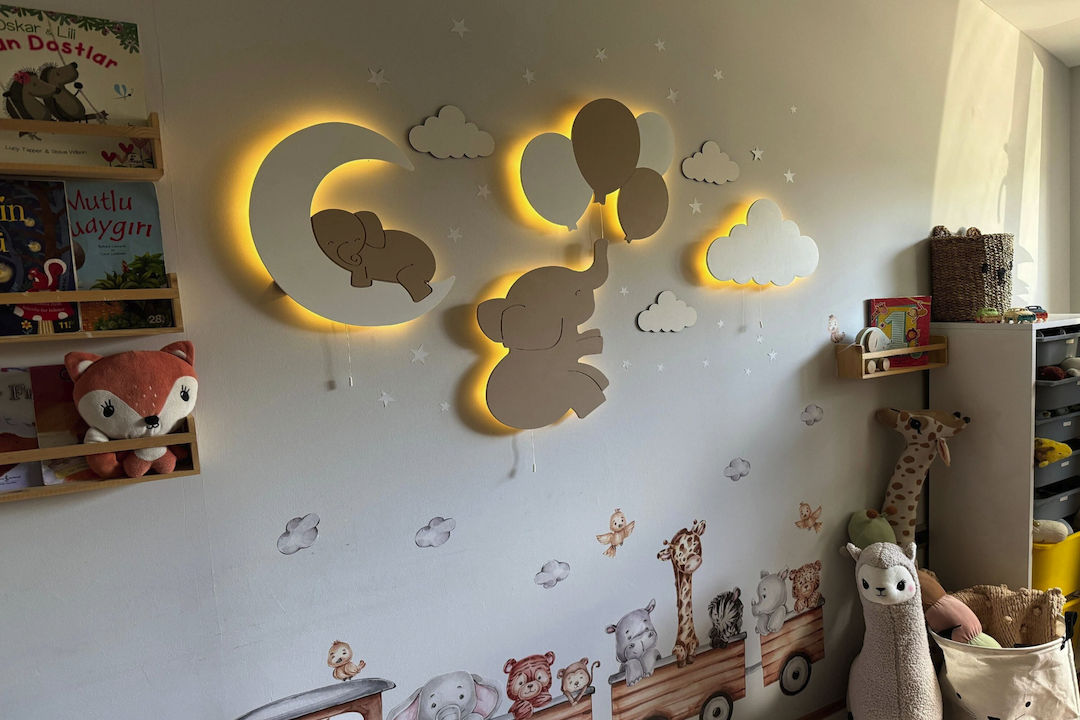
A nursery wall lamp can be a practical addition to a nursery environment, offering controlled illumination for various late-night caregiving tasks. Its strategic placement and design can contribute to a more efficient and comfortable experience for both caregiver and infant during nocturnal events.
Late-night feedings, diaper changes, and comforting sessions are integral aspects of infant care. These activities, often conducted in a state of drowsiness, necessitate appropriate lighting. The absence of sufficient light Misls can disrupt the smooth execution of these tasks, potentially leading to errors or increased stress. Conversely, excessive or direct overhead lighting can be jarring for an infant, hindering their return to sleep and impacting their developing circadian rhythm. This creates a need for a lighting solution that offers a balance: enough light to perform tasks without overstimulating the infant or fully waking the caregiver.
Minimizing Circadian Disruption
The human body’s circadian rhythm, a natural internal process that regulates the sleep-wake cycle, is highly susceptible to light exposure. In infants, this system is still maturing. Bright, blue-spectrum light, prevalent in many household light sources, can suppress melatonin production, a hormone essential for sleep induction. A nursery wall lamp, particularly when equipped with dimming capabilities or warm-spectrum bulbs, can mitigate this disruption. By employing a gentler, less intrusive light, the infant’s natural sleep patterns are less likely to be negatively impacted, potentially facilitating an easier return to sleep post-feeding.
Enhancing Caregiver Vigilance
While the primary focus often rests on the infant, caregiver well-being is also a critical factor. Operating in dimly lit environments can lead to eye strain and decreased cognitive function. A well-positioned wall lamp provides targeted illumination, improving visibility for tasks such as preparing a bottle, checking for a wet diaper, or simply observing the infant for signs of discomfort. This enhanced visibility can reduce the likelihood of accidents or errors stemming from impaired vision due to insufficient light. It acts as a beacon, guiding hands and eyes during moments when full alertness might be compromised by sleep deprivation.
Design Considerations for Nursery Wall Lamps
The selection of a nursery wall lamp extends beyond mere aesthetics. Numerous functional and safety aspects warrant attention to ensure it serves its purpose effectively within the nursery environment. These considerations form the scaffolding upon which a truly useful lamp is built.
Light Spectrum and Intensity Control
The color temperature of the light emitted by the lamp is a crucial factor. Warm-white light (typically 2700K-3000K) is generally preferred for nurseries as it has a lower blue light component compared to cooler color temperatures. This reduced blue light is less likely to interfere with melatonin production. Dimmable functionality is almost a prerequisite. The ability to adjust light intensity allows caregivers to provide just enough light for the task at hand, from a subtle glow for comforting to a slightly brighter setting for a diaper change. Some lamps even offer red light modes, as red light has the least impact on melatonin, making it an optimal choice for minimal disturbance during nocturnal care.
Placement and Mounting
The strategic positioning of a nursery wall lamp is paramount. It should be mounted at a height that provides adequate illumination without casting harsh shadows or shining directly into the infant’s eyes. A common placement is near the crib or changing table. Wall mounting reduces clutter on nightstands and dressers, mitigating potential tipping hazards. The mounting mechanism should be secure, ensuring the lamp remains firmly attached to the wall, even with accidental bumps or pulls. Concealed wiring is also advisable, both for aesthetic reasons and to prevent curious infants from interacting with electrical cords.
Safety Features and Materiality
Child safety should be a primary concern in the selection of any nursery item, including lighting. Materials should be non-toxic and durable. Any glass components should be secure and shatter-resistant. Cords should be routed and secured to prevent entanglement or strangulation hazards. Lamps that remain cool to the touch are preferable to prevent accidental burns. Furthermore, electrical components should meet relevant safety standards, often indicated by specific certification marks. The lamp itself should be robust enough to withstand the typical wear and tear of a child’s environment, a silent sentinel enduring the passage of time and daily routines.
Integration with Smart Home Technology
The advent of smart home technology opens new avenues for enhancing the functionality and convenience of nursery lighting. Integrating a wall lamp into a broader smart home ecosystem can offer caregivers unparalleled control and automation. This represents the lamp moving beyond a simple switch, becoming an interconnected cog in a larger, intelligent machine.
Remote Control and Automation
Smart wall lamps can be controlled remotely via smartphone applications, voice assistants, or smart home hubs. This eliminates the need for physical interaction with the lamp, a significant advantage when holding a sleeping infant or navigating in the dark. Automation features allow for scheduling, such as programming the lamp to dim gradually as the infant drifts to sleep or to activate at a low intensity during anticipated feeding times. This pre-emptive illumination can smooth transitions and reduce the jarring effect of sudden light exposure.
Scene Creation and Customization
Smart lighting systems enable the creation of customized “scenes.” For instance, a “feeding scene” might involve the nursery wall lamp activating at 30% brightness with a warm white light, while a “diaper change scene” might slightly increase the brightness to facilitate better visibility. These personalized settings can be recalled instantly, tailoring the lighting environment to the specific needs of the moment. This level of customization allows the caregiver to fine-tune the ambiance like a conductor orchestrating a subtle symphony of light.
Connectivity with Other Nursery Devices
The true power of smart integration lies in its ability to connect with other nursery devices. Imagine a wall lamp that gently illuminates when a smart monitor detects an infant stirring, or a lamp that synchronizes its intensity with a sound machine. This interconnectedness creates a holistic environment where different elements work in concert to support the infant and caregiver, building a seamless web of support.
Practical Benefits in Late-Night Routines
Beyond the technical specifications and design elements, the tangible benefits of a nursery wall lamp become evident in its impact on the efficacy and comfort of late-night operations. It transforms a potentially arduous task into a more manageable and even serene experience.
Enhanced Visibility for Feeding and Diaper Changes
The primary practical benefit is improved visibility. During late-night feedings, whether bottle-feeding or breastfeeding, the ability to clearly see the bottle, latch, or infant’s cues is invaluable. Similarly, accurate and hygienic diaper changes require sufficient light. A well-placed wall lamp provides this illumination without the need for bright overhead lights that can disrupt sleep. It’s like having a precisely aimed spotlight, illuminating only what is necessary, leaving the rest of the room in restful shadow.
Promoting a Calm Environment
A dimly lit nursery, supported by a gentle wall lamp, contributes to a calmer atmosphere. This is beneficial for both the infant and the caregiver. For the infant, it signals that it is still nighttime, assisting in the re-establishment of sleep. For the caregiver, operating in a softly lit space can reduce stress and promote a sense of tranquility, even amidst the demands of nocturnal care. This reduced sensory input creates a cocoon of quiet and calm, a subtle signal that the world outside the sleep state is still gentle.
Minimizing Disruptions to Sleep Cycles
The targeted and controlled illumination of a nursery wall lamp directly addresses the issue of sleep disruption. By avoiding sudden bursts of bright light, the infant’s natural sleep architecture is less disturbed. This can lead to quicker returns to sleep after feedings and potentially longer stretches of uninterrupted sleep, a prize jewel for any sleep-deprived parent. Each soft glow is a careful whisper, not a shout, to the infant’s developing brain.
Maintenance and Longevity of Nursery Wall Lamps
Ensuring the continued functionality and safety of a nursery wall lamp involves simple, routine maintenance. Proper care can extend the life of the unit and ensure it remains a reliable tool in the nursery.
Cleaning and Bulb Replacement
Dust accumulation can diminish light output and pose a minor fire hazard if left unchecked on certain components. Regular, gentle cleaning with a soft, dry cloth is sufficient for most lamps. For lamps with protective covers, these should be removed and cleaned periodically. Bulb replacement procedures will vary depending on the lamp’s design and bulb type (e.g., LED, CFL). When replacing bulbs, it is crucial to use the correct wattage and type specified by the manufacturer, particularly if the lamp has dimmer functionality.
Electrical Safety Checks
Periodically inspect the lamp’s cord and plug for any signs of wear, fraying, or damage. Ensure the plug is seated securely in the outlet. If the lamp is hardwired, consider having a qualified electrician inspect it if there are any concerns about its wiring or performance. These checks are akin to a ship captain’s routine inspection, ensuring all systems are sound for the journey through the night.
Repositioning and Adaptability
As an infant grows, the nursery environment and needs may evolve. The height and position of the wall lamp may need to be adjusted to accommodate a growing child or a rearranged room. Some lamps offer adjustable arms or swiveling heads, providing adaptability. If a lamp becomes damaged or ceases to function safely, it should be repaired by a professional or replaced entirely. Its functionality should mirror the adaptability required of parents, continually adjusting to new needs and circumstances.
Conclusion
A nursery wall lamp, when selected and utilized thoughtfully, functions as more than a simple light source. It serves as an instrumental component in creating a supportive and effective environment for late-night infant care. By addressing critical aspects of light spectrum, safety, control, and integration, it can significantly ease the demands placed on caregivers, reduce disruptions to infant sleep, and contribute to a calmer, more conducive atmosphere within the nursery. Its consistent, controlled illumination acts as a silent partner, guiding and comforting through the passage of each nocturnal feeding.