Modern Black Ceiling Spotlight: Minimalist Illumination
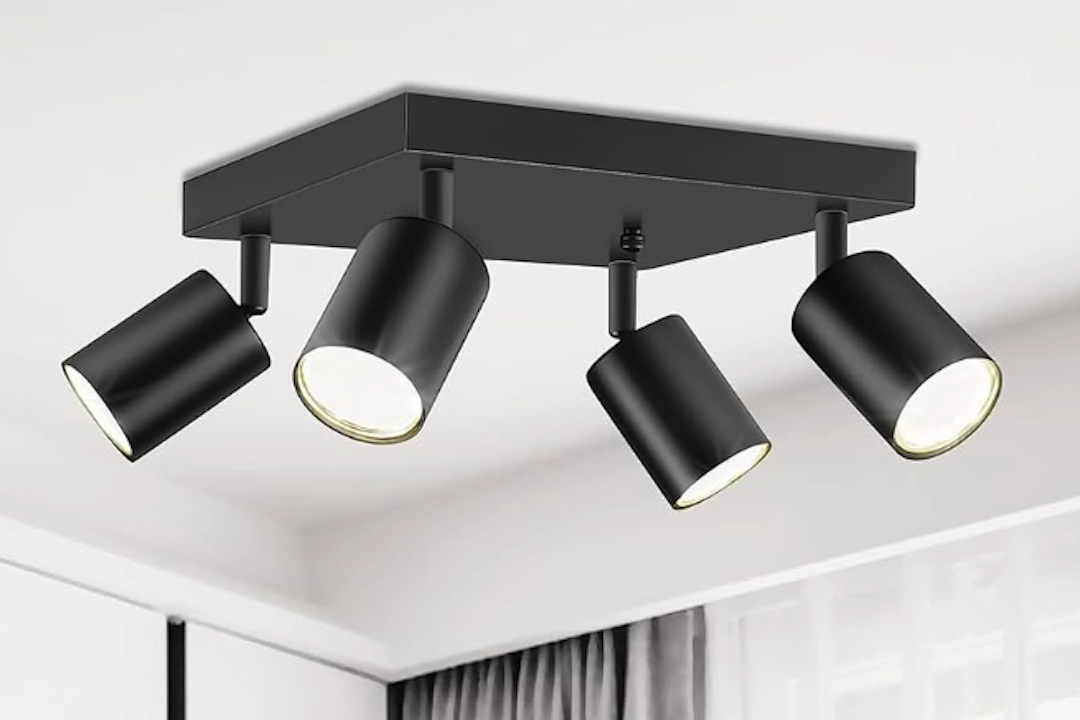
Black ceiling spotlights have become a prominent fixture in contemporary interior design, offering a blend of form and function that appeals to those seeking minimalist aesthetics. This type of lighting fixture, characterized by its dark finish and focused beam, acts as a functional element that also contributes significantly to the overall ambiance of a space. Unlike traditional, ornate chandeliers or diffuse pendant lights, the modern black ceiling spotlight prioritizes a direct, controlled illumination, making it adept at highlighting specific areas or creating layers of light. Its prevalence in residential, commercial, and hospitality settings underscores its versatility and adaptability to various design schemes.
This article delves into the characteristics, applications, and design considerations of modern black ceiling spotlights Laniusdesign , exploring their evolution, their impact on interior spaces, and the factors influencing their selection and installation.
The rise of the modern black ceiling spotlight is intrinsically linked to the broader evolution of interior design towards minimalism and functionality. Early forms of spotlights, often associated with theatrical or industrial settings, were bulky and utilitarian. However, as interior design trends shifted, so too did the form factor of these lighting elements.
The Ascent of Minimalism
Minimalism as an aesthetic movement emphasizes simplicity, clean lines, and a deliberate reduction of superfluous elements. In lighting, this translates to fixtures that do not draw undue attention to themselves but rather serve their primary purpose efficiently and elegantly. The black ceiling spotlight, with its often sleek, geometric shapes and unobtrusive mounting, fits this paradigm perfectly. It doesn’t compete with other decorative elements but rather complements them, providing necessary light without visual clutter.
From Industrial to Domesticity
The journey of the spotlight from its industrial roots to its widespread adoption in domestic spaces is a testament to its inherent utility. Initially conceived for task lighting in workshops and studios, its precision and intensity proved valuable for focused work. As living spaces became more open and integrated, and as the appreciation for targeted illumination grew, the spotlight found its way into homes. The black finish, in particular, offered a sophisticated and contemporary alternative to previous metallic or white finishes, allowing it to blend seamlessly with darker palettes or serve as a striking contrast against lighter backgrounds.
Materiality and Form
Modern black ceiling spotlights are typically constructed from materials that enhance their durability and aesthetic appeal. Common materials include metal alloys like aluminum, steel, and sometimes brass, finished with a durable matte or satin black powder coating or paint.
Form Follows Function
The design of many modern black ceiling spotlights adheres to the principle of “form follows function.” This means that the shape and structure of the fixture are primarily dictated by its intended purpose: to direct light effectively. Many feature adjustable heads, allowing users to precisely aim the light beam. This adjustability is often achieved through ball joints or articulated arms, designed for smooth movement and secure positioning. The visual language is often characterized by simple cylinders, cones, or geometric cubes, eschewing ornate detailing.
The Significance of the Black Finish
The choice of a black finish is a deliberate design decision with several functional and aesthetic implications. Black is a color that absorbs light, which can be beneficial in directing the spotlight’s output. Aesthetically, it provides a sophisticated, modern, and often grounding element within a room.
Subtlety and Contrast
A matte black finish can recede into darker ceilings, creating a nearly invisible effect where the light itself becomes the primary visual element. Conversely, against a white or light-colored ceiling, black spotlights can serve as deliberate design accents, their sharp forms punctuating the expanse of the ceiling. This duality makes them adaptable to a wide range of interior color schemes and styles.
Functional Applications in Interior Spaces
Modern black ceiling spotlights are celebrated for their versatility, finding application in a multitude of interior spaces, each serving a distinct purpose. Their ability to provide targeted illumination makes them ideal for both accentuating specific features and providing general ambient light, depending on the specific product and layout.
Task Lighting Excellence
One of the most crucial roles of modern black ceiling spotlights is the provision of focused task lighting. This is particularly relevant in areas where precise illumination is required for activities such as reading, cooking, or working.
Kitchen Versatility
In kitchens, black ceiling spotlights can be strategically positioned above countertops, islands, and prep areas. This ensures that food preparation is well-lit, reducing the risk of accidents and enhancing the overall culinary experience. Spotlights can illuminate the entire work surface, or individual pendants can be chosen to highlight specific zones, such as a hob or a sink. Their adjustable nature allows for the beam to be directed precisely where needed, avoiding shadows that can impair visibility.
Home Office and Study Areas
For home offices and study spaces, focused task lighting is paramount to minimize eye strain and maximize productivity. Black ceiling spotlights can be aimed at desks to provide clear illumination for reading documents, using computers, and writing. Their ability to be angled away from screens can also help to prevent glare, a common issue with less adaptable lighting solutions.
Accentuation and Ambiance Creation
Beyond direct task lighting, modern black ceiling spotlights excel at accentuating architectural features, artwork, and decorative elements, thereby enriching the visual appeal of a room and contributing to its overall ambiance.
Highlighting Artwork and Collections
When placed at an appropriate distance and angle, a black ceiling spotlight can draw attention to paintings, sculptures, or collections of objects. The focused beam creates a spotlight effect, making these items the natural focal point of the room. This deliberate highlighting strategy can transform a wall from a passive background into an engaging display. The black finish of the spotlight can also help it to recede visually, allowing the artwork to truly stand out.
Architectural Feature Illumination
Architectural details, such as textured walls, beams, or decorative moldings, can be brought to life with carefully directed spotlights. By grazing the surface with light, textures become more pronounced, and shadows are cast in a way that emphasizes the three-dimensional nature of the architectural elements. This technique adds depth and visual interest to even the simplest of rooms.
General and Ambient Lighting Solutions
While often associated with focused illumination, modern black ceiling spotlights can also contribute to general ambient lighting, especially when multiple units are deployed in a grid-like pattern or integrated into a larger lighting scheme.
Creating a Layered Lighting Scheme
Effective interior lighting is rarely achieved with a single light source. Modern black ceiling spotlights integrate seamlessly into layered lighting schemes. They can work in conjunction with ambient ceiling lights, wall sconces, and task lamps to create a dynamic and adaptable environment. For instance, a general diffuse light from recessed ceiling lights can be supplemented by spotlights to enhance specific areas or provide more direct illumination when needed.
Illuminating Open-Plan Living Spaces
In open-plan living and dining areas, where distinct zones need to be defined and illuminated, a series of black ceiling spotlights can be highly effective. They can delineate seating areas, dining zones, or circulation paths without the need for physical barriers. The directional nature of the light can help to create a sense of separation and purpose within a large, undivided space.
Design Considerations for Installation
The effective implementation of modern black ceiling spotlights hinges on careful consideration of several design factors. The placement, type, and quantity of these fixtures will significantly impact their functionality and aesthetic contribution to a space.
Beam Angle and Light Distribution
The beam angle of a spotlight refers to the width of the cone of light it emits. This characteristic is crucial in determining the type of illumination the spotlight will provide and where it will be most effective.
Narrow vs. Wide Beams
Narrow beam spotlights, often with angles of 10-25 degrees, are ideal for creating sharp, focused beams that are suitable for accentuating small objects or artwork from a distance. They act like a laser pointer for light, precisely directing attention. Wide beam spotlights, with angles typically between 30-60 degrees, cast a broader pool of light, making them more suitable for illuminating larger areas or providing a more generalized wash of light over a surface. The choice depends on the intended application: precise highlighting versus more diffuse coverage.
The Role of Lumen Output
Lumen output, a measurement of the total amount of visible light emitted by a source, is another critical factor. Higher lumen outputs are necessary for illuminating larger spaces or for task lighting where brighter light is required. Conversely, lower lumen outputs are sufficient for accent lighting where a softer glow is desired. It is often preferable to use multiple lower-lumen spotlights to achieve a desired effect rather than a single high-lumen fixture, as this offers greater control and flexibility.
Color Rendering Index (CRI) and Color Temperature
When selecting modern black ceiling spotlights, particularly for areas where accurate color perception is important, the Color Rendering Index (CRI) and color temperature of the light source are vital considerations.
Accurate Color Representation
The CRI is a measure of how faithfully a light source reveals the colors of objects compared to a natural light source. A CRI of 80 or above is generally considered good for most interior applications, while a CRI of 90 or above is preferable for spaces where color accuracy is critical, such as art studios, retail displays, or areas where food is prepared. Poor CRI can make colors appear dull or unnatural.
Creating a Desired Mood
Color temperature, measured in Kelvin (K), describes the perceived warmth or coolness of the light. Warm white light (around 2700K-3000K) has a yellowish hue, similar to incandescent bulbs, and creates a cozy, inviting atmosphere. Neutral white light (around 3500K-4000K) is balanced and suitable for general illumination. Cool white light (4000K and above) has a bluish tint and can make a space feel more energetic and modern, but can also appear stark if not used carefully. For a modern aesthetic, neutral or cool white temperatures are often favored, but warm white can enhance comfort in living areas.
Placement and Layout Strategies
The strategic placement of modern black ceiling spotlights is as important as the choice of the fixture itself. Poor placement can lead to ineffective lighting, glare, or an unbalanced visual aesthetic.
Avoiding Glare and Shadows
When positioning spotlights, it is essential to consider the angle of incidence of the light beam relative to the eye level of occupants and the surfaces being illuminated. Aiming lights directly down at a seated person can cause discomfort. Similarly, incorrect angles can create harsh shadows that detract from the intended effect. Professionals often use calculations to determine optimal angles that minimize glare and maximize shadow play for accentuation.
Grid Layouts vs. Targeted Placement
For general illumination or to create a consistent lighting pool over an area, a grid layout of spotlights is often employed. The spacing of these spotlights is determined by their beam angle and lumen output to ensure overlap and uniformity of light. For accentuation or task lighting, spotlights are placed with specific targets in mind, often following the lines of architectural features or the placement of objects. The aim is to create a constellation of light that serves the needs of the space.
Integrated Systems and Smart Technology
The evolution of lighting technology has introduced integrated systems and smart capabilities to modern black ceiling spotlights, offering enhanced control and convenience.
Dimmability and Control
Many modern black ceiling spotlights are designed to be dimmable, allowing users to adjust the light intensity to suit different times of day, activities, or moods. This flexibility is a key component of sophisticated lighting design. Dimmability can be achieved through a variety of control systems, including traditional rotary dimmers, advanced control panels, or even smartphone applications.
Smart Home Integration
The incorporation of smart technology allows black ceiling spotlights to be integrated into smart home ecosystems. This enables features such as remote control via smartphones or voice commands, scheduling of lighting on and off times, and even the ability to change color temperature or color (in some advanced models). This level of control offers a new dimension of convenience and personalization to home lighting.
Impact on Interior Aesthetics
The presence of modern black ceiling spotlights extends beyond mere illumination; they actively contribute to and shape the aesthetic character of interior spaces. Their minimalist design language and focused light output offer a distinct visual impact that can redefine how a room is perceived.
The “Less is More” Philosophy
The embrace of the “less is more” philosophy is a cornerstone of modern design, and black ceiling spotlights embody this principle. Their unadorned forms and the way they integrate into the ceiling contribute to a sense of spaciousness and order. They don’t impose themselves on the visual field; rather, they recede, allowing other design elements to take prominence while still fulfilling their essential lighting role.
Creating Negative Space with Light
The deliberate use of light can, paradoxically, create the perception of negative space. By precisely illuminating certain areas and leaving others in shadow, spotlights can sculpt the perception of depth and volume within a room. Black ceiling spotlights are particularly adept at this, as their dark form can disappear into darker backgrounds, making the illuminated areas stand out more dramatically against the darker canvas of the ceiling. This is akin to a sculptor revealing form from a block of material – here, the material is darkness, and the form is created by light.
Enhancing Architectural Features
Modern black ceiling spotlights possess a unique ability to draw attention to and enhance architectural characteristics of a space. This is not simply about adding light; it is about using light to highlight form, texture, and line.
Defining Form and Line
Consider a room with strong architectural lines, such as a sloped ceiling or exposed beams. Strategically placed black spotlights can emphasize these lines by creating dramatic contrasts between illuminated surfaces and shadowed areas. The directed beam can follow the curve of an arch or accentuate the rigidity of a beam, making these elements read more prominently in the overall design.
Revealing Texture and Materiality
The subtle play of light and shadow cast by spotlights can reveal the inherent texture and materiality of surfaces. A smooth painted wall can gain a subtle dimensionality when grazed by light from a spotlight, while a textured wallpaper or a brick surface can have its intricate details brought to the fore. This technique adds a tactile quality to the visual experience of a room, making it feel richer and more complex.
Versatility Across Design Styles
While their name suggests a contemporary inclination, modern black ceiling spotlights are remarkably versatile and can be integrated into a surprising range of interior design styles, provided they are chosen and deployed thoughtfully.
Complementing Industrial Chic
In industrial-chic interiors, where exposed brick, raw metal, and exposed ductwork are common, black ceiling spotlights resonate with the utilitarian aesthetic. Their functional appearance and focused beams complement the raw, unfinished nature of such spaces, offering a practical yet stylish lighting solution. They can serve as both task lighting in workshops and accents for exposed architectural elements.
Adding a Touch of Modernity to Traditional Spaces
Even in more traditionally styled homes, a few well-placed black ceiling spotlights can introduce a contemporary edge without disrupting the overall feel. For instance, using them to highlight a collection of antique furniture or a gallery wall of traditional art can create an interesting juxtaposition, bridging the gap between classic and modern sensibilities. The key is to use them sparingly and with a clear purpose, so they enhance rather than detract from the established style.
Maintenance and Longevity
The enduring appeal of modern black ceiling spotlights is also attributed to their relatively straightforward maintenance and their inherent longevity, particularly when equipped with modern LED technology.
Durability of Materials
The materials commonly used in the construction of these fixtures—such as steel, aluminum, and powder-coated finishes—are chosen for their resilience. They are designed to withstand the wear and tear of regular use, resisting rust, corrosion, and chipping. The matte or satin black finishes, in particular, are often quite durable and less prone to showing fingerprints or smudges compared to highly polished surfaces.
Cleaning and Upkeep
Maintaining modern black ceiling spotlights is generally a simple process. Regular dusting with a soft, dry cloth is usually sufficient to keep them looking their best. For more stubborn marks or grime, a slightly damp cloth, followed by immediate drying, can be employed. It is important to ensure that the power is turned off before cleaning any electrical fixture. Avoid abrasive cleaners or scouring pads, as these can damage the finish.
The Rise of LED Technology
The widespread adoption of LED (Light Emitting Diode) technology in modern black ceiling spotlights has significantly contributed to their longevity and operational efficiency.
Extended Lifespan
LEDs have an exceptionally long lifespan, often rated for tens of thousands of hours of use. This means that, unlike traditional incandescent or halogen bulbs, LED spotlights require far less frequent replacement, reducing both maintenance effort and long-term cost. This longevity aligns with the minimalist ethos of reducing material consumption and waste.
Energy Efficiency
LEDs are also highly energy-efficient, consuming significantly less electricity than older lighting technologies to produce the same amount of light. This translates to lower energy bills and a reduced environmental footprint. While the initial cost of LED fixtures may be higher, their energy savings and extended lifespan often make them a more economical choice over time.
Considerations for Replacement and Upgrades
While designed for longevity, the time may eventually come for maintenance or upgrading. Understanding the components involved is key.
Bulb Replacement and Integrated LEDs
Many modern black ceiling spotlights feature replaceable LED bulbs, similar to traditional screw-in bulbs. This offers flexibility, allowing for easy replacement if a bulb fails or if a user wishes to change the color temperature or brightness. However, increasingly, spotlights are being designed with integrated LED modules, where the LED is built directly into the fixture. While this can lead to sleeker designs, it means that if the LED module fails, the entire fixture may need to be replaced. When selecting fixtures, it is worth considering whether user-replaceable bulbs are preferred for long-term adaptability.
Upgrading to Smarter Systems
As technology advances, upgrading existing black ceiling spotlights to incorporate smart capabilities becomes an option. This might involve replacing traditional bulbs with smart LED bulbs, or installing smart dimmers and controls that can communicate wirelessly. These upgrades can breathe new life into existing fixtures, adding functionality and convenience without requiring a complete overhaul of the lighting infrastructure.
Modern black ceiling spotlights are more than just light fixtures; they are carefully designed components of contemporary interior design. Their appeal lies in their ability to deliver precise illumination while maintaining a minimalist aesthetic, their versatility across various applications and styles, and their increasingly efficient and long-lasting technology. As interior design continues to value clean lines and functional elegance, the black ceiling spotlight is poised to remain a prominent fixture, a silent yet effective orchestrator of light within our living and working spaces.