Rustic Wood Beam Chandelier: Perfect for Dining Room Ambiance
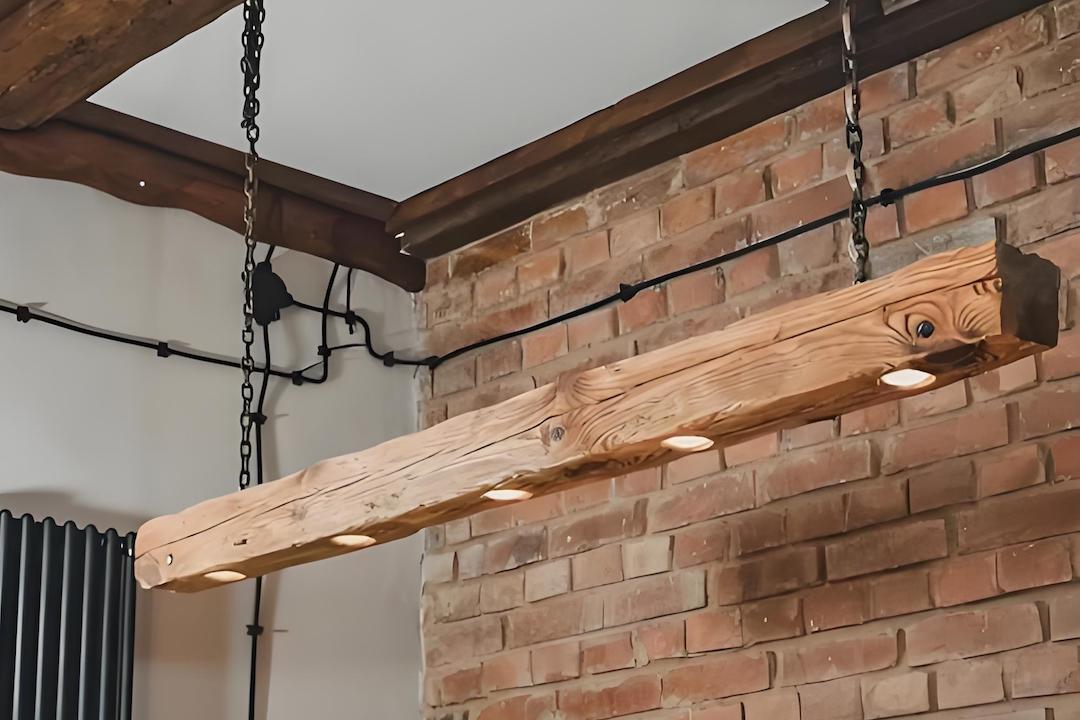
The rustic wood beam chandelier is a lighting fixture characterized by its construction from substantial pieces of timber, often minimally processed or reclaimed. This design typically incorporates multiple light sources, either integrated into the beam itself or suspended beneath it. The aesthetic aims to evoke traditional, agricultural, or wilderness-inspired environments, providing both illumination and a strong decorative element.
The concept of a substantial, centrally suspended light fixture is ancient, predating electricity. Early forms of chandeliers Zweedo, or “candelabra,” were often constructed from wood and metal, holding candles or oil lamps. These served both practical and symbolic purposes, illuminating large halls and signifying status.
Early Illumination Methods
Before the advent of modern lighting, large spaces, including dining areas in homes and public buildings, relied on central fixtures for primary light. These often involved a heavy wooden frame from which multiple candles or oil lamps were suspended. The materials available dictated the design, leading to robust, often unrefined constructions.
Influence of Architectural Styles
The evolution of the beam chandelier is intertwined with shifting architectural preferences. In medieval and Renaissance periods, large timber-framed buildings in Europe often featured prominent central light sources suitable for their high ceilings and expansive rooms. The American Arts and Crafts movement further popularized the use of natural materials and artisanal craftsmanship, influencing designs that highlighted the raw beauty of wood.
From Functional to Decorative
Initially, the primary function of these fixtures was illumination. However, as lighting technology advanced and artificial light became more accessible, the decorative aspect gained prominence. The beam chandelier transitioned from a purely utilitarian object to a statement piece, designed to complement interior themes rather than just provide light. Its robust form became a symbol of rustic charm rather than a necessity dictated by material constraints.
Construction and Materials
The defining characteristic of a rustic wood beam chandelier is its material: wood. However, the type of wood, its level of processing, and the accompanying hardware significantly influence the fixture’s final appearance and structural integrity.
Wood Selection and Types
The choice of wood is paramount. Reclaimed timber, often sourced from old barns, factories, or demolished structures, is a popular option. This wood frequently exhibits natural distressing, checking, and color variations that contribute to its “rustic” appeal. Common species include oak, pine, fir, and walnut. Each offers distinct grain patterns and hues. New lumber can also be used, though it often undergoes processes like distressing, staining, or charring to achieve an aged look. The dimensions of the beam itself are critical, influencing visual weight and the fixture’s overall scale.
Hardware and Fixtures
Beyond the wood, the hardware plays a crucial role. This often includes wrought iron chains, metal rods, or robust cabling for suspension. The choice of metal finish—blackened, oiled bronze, rusted, or brushed nickel—can dramatically alter the fixture’s aesthetic. Electrical components, such as wiring, sockets, and bulbs, are integrated into or suspended from the beam. The type of bulb, whether Edison-style filament bulbs, standard incandescent, or LED equivalents, further contributes to the overall lighting effect and period authenticity.
Craftsmanship and Techniques
The construction process often involves traditional woodworking techniques. Mortise and tenon joints, dovetail joints, or robust joinery with visible fasteners contribute to both structural integrity and the rustic aesthetic. Finishes may include natural oils, waxes, or stains that protect the wood while enhancing its grain and color. Some chandeliers incorporate metalwork elements like decorative bands or hangers, requiring collaboration between woodworkers and metal fabricators.
Design Principles and Aesthetics
The design of a rustic wood beam chandelier is not arbitrary; it adheres to principles that contribute to its visual impact and functional effectiveness.
Balance and Proportion
A key design principle is balance. The chandelier must be proportionate to the room it occupies, particularly the dining area. A beam too small will be overwhelmed; one too large will dominate. This equilibrium extends to the distribution of light sources along the beam, aiming for even illumination and visual symmetry. Consider the relationship between the chandelier’s mass and the dining table’s size. A heavy beam over a delicate table might create an imbalance.
Light Distribution and Direction
The primary function of a chandelier is light. Rustic beam chandeliers typically offer downward-focused light, making them suitable for illuminating a dining surface. The number and spacing of bulbs dictate the intensity and spread of this light. Some designs incorporate upward-facing bulbs or opaque shades to create ambient light, diffusing it across the ceiling and softening shadows. Dimmers are often employed to adjust the light output for various moods or activities.
Integration with Interior Styles
While often associated with rustic or farmhouse aesthetics, a wood beam chandelier can be integrated into various interior styles. In industrial settings, it might feature raw metal accents and exposed wiring. In a modern minimalist space, a clean-lined beam with simple, geometric bulbs can provide a contrasting natural element. The key is to select a design whose details and finishes complement the surrounding décor, acting as an anchor rather than an anomaly. Consider it a focal point that either blends harmoniously or offers a deliberate counterpoint.
Placement and Installation
Optimal placement and correct installation are critical for both the aesthetic impact and the safety of a wood beam chandelier.
Dining Room Specifics
In a dining room, the chandelier should be centered over the dining table. This positioning ensures even light distribution across the eating surface and establishes the fixture as the primary visual element in the space. The size of the dining table dictates the approximate length or width of the chandelier. A common guideline is for the chandelier to be roughly one-half to two-thirds the width of the table.
Optimal Height Considerations
The height at which a beam chandelier is suspended is crucial for both function and aesthetics. A general guideline for a dining room chandelier is that the bottom of the fixture should be approximately 30-36 inches (76-91 cm) above the tabletop. This height allows for clear sightlines across the table without guests bumping their heads, while still providing ample illumination. For rooms with exceptionally high ceilings, the fixture may need to be hung slightly higher to maintain proportionality.
Structural Requirements and Safety
Given the substantial weight of many wood beam chandeliers, structural considerations are paramount. The ceiling joist or blocking must be adequately reinforced to support the fixture’s weight. Professional installation is often recommended, particularly for heavier models, to ensure secure mounting and correct electrical wiring. All wiring must conform to local electrical codes. The integrity of the suspension chains or rods must also be verified. This is not a task for the inexperienced; it’s a matter of safety akin to ensuring the foundations are strong enough to hold a house.
Maintenance and Longevity
Proper care and maintenance contribute to the longevity and continued aesthetic appeal of a rustic wood beam chandelier.
Cleaning and Dusting
Regular cleaning is essential. Dust can accumulate on the wood beam, metal components, and especially on the bulbs. A soft, dry cloth or a feather duster is typically sufficient for routine dusting. For more ingrained dirt or smudges on the wood, a damp cloth with a mild wood cleaner can be used, followed immediately by a dry cloth to prevent moisture damage. Metal components should be cleaned according to their finish; abrasive cleaners should be avoided as they can damage patinas or protective coatings.
Electrical Component Checks
Periodically, the electrical components should be inspected. This includes checking for loose wires, damaged sockets, or flickering bulbs. Always turn off the power at the circuit breaker before performing any electrical checks or bulb replacements. If you observe consistent flickering or other electrical anomalies, consult a qualified electrician.
Wood Care and Preservation
Wood is a natural material and can react to environmental conditions. Extreme fluctuations in humidity or temperature can cause wood to crack or warp. Maintaining a stable indoor environment helps preserve the wood. Depending on the finish, the wood may benefit from occasional reapplication of wax or oil. For instance, a natural oil finish might need reapplication every few years to maintain its luster and protective qualities. Consider it like tending to a garden; consistent care keeps it vibrant.
Bulb Replacement and Energy Efficiency
When replacing bulbs, ensure the wattage does not exceed the fixture’s maximum rating. For energy efficiency, consider LED bulbs that mimic the appearance of traditional filament bulbs. Modern LED technology provides both energy savings and a wide range of color temperatures, allowing you to fine-tune the ambiance of your dining space. These bulbs also have a significantly longer lifespan, reducing the frequency of replacements.
Thematic Considerations for Dining Ambiance
The specific visual characteristics of a rustic wood beam chandelier contribute to the overall mood and atmosphere of a dining area, beyond mere illumination.
Creating an Inviting Atmosphere
The natural materials and robust construction of these chandeliers often evoke feelings of warmth, comfort, and authenticity. This contributes to an inviting dining environment, reminiscent of traditional gathering spaces where food and conversation were central. The substantial presence of the beam can act as a visual anchor, grounding the space psychologically. It signals a sense of permanence and tradition.
Complementary Decor Elements
To maximize the impact of a rustic wood beam chandelier, consider complementary decor. This might include a solid wood dining table, linen textiles, natural fiber rugs, and pottery or ceramic dinnerware. Wall art featuring landscapes, botanical prints, or abstract pieces with earthy tones can further enhance the rustic theme. The aim is to create a cohesive narrative within the room, where every element supports the desired ambiance.
Adjusting for Different Occasions
The versatility of a well-chosen rustic wood beam chandelier lies in its ability to adapt to different dining occasions. With dimmer switches, the light can be brightened for family meals or homework sessions at the table, and then softened for intimate dinners or relaxed entertaining. The use of warmer temperature bulbs (2700K-3000K) can further enhance the cozy and inviting ambiance suitable for many dining scenarios. It’s a chameleon, subtly shifting its mood to suit yours.
The rustic wood beam chandelier, therefore, is not merely a light source but a significant contributor to the aesthetic and functional fabric of a dining space. Its selection, installation, and maintenance require attention to detail, ensuring it serves as both an illuminating fixture and a substantial decorative element.