Enhance Your Space with a Mission Style Stained Glass Ceiling Light
You’re wondering if a Mission style stained glass ceiling light can actually make a difference in your home, right? The short answer is a resounding yes! Beyond just providing light, this type of fixture brings a unique blend of artistry, warmth, and architectural character that can truly elevate your living space. It’s not just about brightness; it’s about creating an atmosphere.
Mission style, often associated with early 20th-century American architecture, is all about simplicity, functionality, and a connection to nature. When you bring that into a stained glass ceiling light Zeveau, you’re getting something that’s both practical and visually engaging. Think sturdy lines, natural materials, and a handcrafted feel.
What Exactly Is Mission Style?
Mission style isn’t just a random collection of design elements. It draws heavily from Spanish Colonial architecture, with an emphasis on clean, straightforward designs. You’ll often see rectilinear forms, exposed joinery (though less so in a ceiling fixture), and a preference for wood and metal. The “stained glass” aspect adds a layer of artisanal craftsmanship to this already grounded aesthetic.
Beyond the “Craftsman” Connection
Sometimes people lump Mission style in with Craftsman style. While they share some DNA – valuing handmade goods and natural materials – there are differences. Mission style is generally a bit more austere, with less ornamentation than Craftsman. It’s less about fussy detail and more about robust, honest construction. In a stained glass ceiling light, this translates to designs that are striking without being overly intricate, often featuring geometric patterns or earthy, nature-inspired motifs.
Why Combine Stained Glass with Mission Style?
This pairing works so well because stained glass, at its core, is about filtering and transforming light. Mission style, with its focus on creating welcoming and functional spaces, benefits enormously from this. The light isn’t just functional; it’s softened, colored, and dappled, adding a layer of ambiance that traditional, plain ceiling lights simply can’t achieve. It adds a touch of handcrafted elegance that feels both historically grounded and refreshingly current.
Finding the Right Fit: Size, Shape, and Placement Matters
Just like any other significant design element, a Mission style stained glass ceiling light needs to be the right size and shape for the room it’s going into. It’s not a one-size-fits-all situation. Getting this right is crucial to avoid overwhelming the space or feeling like it’s an afterthought.
Ceiling Height: Your Primary Consideration
This is non-negotiable. Mission style stained glass ceiling lights often have a bit of heft to them, both in terms of the fixture itself and the glass panels. If you have low ceilings, a large, low-hanging dome might feel oppressive. Conversely, a very shallow fixture in a grand room might look lost. Measure your ceiling height carefully and consider how much “drop” the fixture will have from the ceiling. Most manufacturers will provide dimensions, including the overall height.
Low Ceilings: Opt for Semi-Flush or Flush Mount
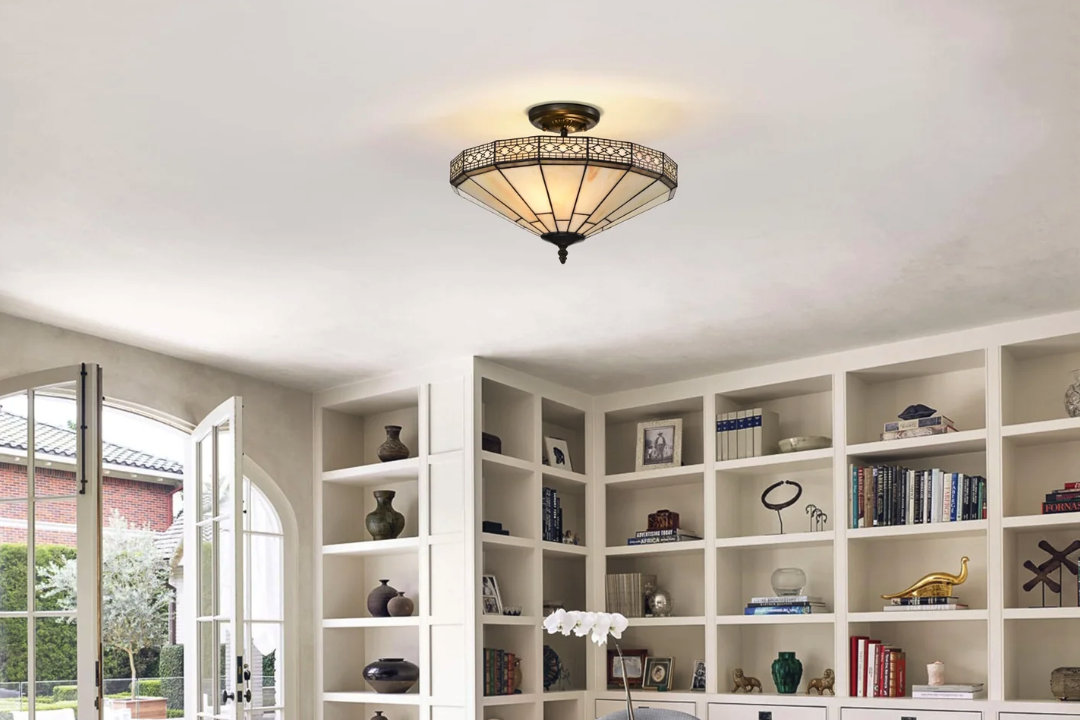
If your ceilings are on the shorter side (say, 8 feet or less), a true “pendant” style might not be ideal. Look for semi-flush mounts where the fixture sits closer to the ceiling, or even flush mounts if the design allows for it. The key is to ensure there’s still ample headroom and the light doesn’t feel like it’s constantly looming. Even within these categories, you can often find Mission-style designs that have a good visual presence without sacrificing headroom.
Standard Ceilings: More Flexibility
For standard 8-9 foot ceilings, you have a wider range of options. You can explore semi-flush mounts that offer a bit more visual drama, or some of the smaller pendant-style fixtures. The important thing is to ensure the proportions feel balanced with the room’s overall size.
High Ceilings: Go for Scale and Drama
If you have soaring ceilings (10 feet or more), don’t be afraid to choose a larger, more substantial fixture. This is where you can really make a statement. A grand stained glass dome or a multi-tier fixture can become a focal point and help to balance the vertical space. It adds visual weight and prevents the room from feeling cavernous.
Room Size: Balancing Presence and Proportion
Beyond ceiling height, the square footage of your room is a major factor. A tiny stained glass fixture in a large living room will disappear. A massive, ornate one in a small entryway might feel overwhelming.
Small Rooms: Subtle Statements
In smaller spaces like powder rooms, hallways, or even compact bedrooms, you’ll want a fixture that offers the Mission style aesthetic without dominating the room. A smaller, simpler stained glass ceiling light with geometric patterns in earthy tones can add a touch of sophistication without making the space feel cluttered.
Medium to Large Rooms: Defining Focal Points
In living rooms, dining rooms, or family rooms of average to large size, your Mission style stained glass ceiling light can become a significant design element. Consider fixtures that are substantial enough to anchor the space. A well-proportioned dome or a fixture with a wider diameter can draw the eye and contribute to the room’s overall character.
Open Concept Spaces: Zoning and Cohesion
In open-concept homes, strategic placement of ceiling lights can help define different zones. A Mission style stained glass fixture over a dining table can visually anchor that area, while a similar but perhaps slightly different fixture over a seating area can create a cohesive feel throughout the space. The consistent style, even with variations, ties the different areas together.
Shape of the Light: From Domes to Rectangles
The shape of the stained glass ceiling light itself plays a role in its overall impact.
Classic Domes: Timeless Appeal
Dome-shaped Mission style lights are perhaps the most iconic. They offer a generous surface area for glasswork and create a warm, inviting glow. They are particularly effective in living rooms and dining areas where you want to create a cozy and elegant atmosphere.
Rectangular or Square Fixtures: Modern Edge
You can also find Mission style stained glass ceiling lights in rectangular or square shapes. These can offer a slightly more contemporary feel while still retaining the hallmarks of the style. They might be a good choice for hallways, kitchens, or even offices where a cleaner, more geometric look is desired.
Drum Lights: Versatile and Balanced
Drum-shaped ceiling lights, when featuring stained glass in Mission style patterns, can be very versatile. They offer a balanced visual presence and can work well in a variety of room types.
The Palette and Patterns: What to Expect in Mission Stained Glass
The beauty of Mission style stained glass lies in its deliberate choice of colors and patterns. It’s not about overwhelming the senses, but about creating a harmonious and grounding visual experience.
Earthy Tones: The Signature of Mission Style
You’ll rarely find Mission style stained glass in bright, neon colors. Instead, expect a palette inspired by nature.
Browns and Tans: Warmth and Stability
Deep browns, rich tans, and warm beiges are foundational. These colors evoke natural wood, earth, and a sense of solidity. They create a comforting and grounded atmosphere.
Greens and Golds: Natural Accents
Earthy greens, olive tones, and muted golds are frequently used as accents. These colors bring in elements of foliage, sunlight filtering through trees, and a touch of understated richness.
Blues and Reds (Used Sparingly): Depth and Contrast
While less dominant, you might find deep, muted blues or rich, earthy reds used strategically to add depth and visual interest. They are typically used in smaller quantities to provide contrast and prevent the palette from becoming too monochromatic.
Geometric Simplicity: The Heart of the Design
Mission style designs tend to favor clear, understandable patterns.
Straight Lines and Rectangles: Building Blocks
Simple straight lines, rectangles, and squares are common motifs. These can be arranged in repeating patterns, creating a sense of order and balance.
Lattice Work and Grids: Structured Elegance
You might see patterns resembling lattice work or simple grids. These designs suggest a connection to traditional architectural elements and provide a pleasing visual rhythm.
Stylized Natural Motifs: A Nod to Nature
While geometric patterns are prevalent, you might also find stylized interpretations of natural elements. Think simple leaf shapes, stylized floral motifs, or even abstract representations of mountains or rivers. These are never overly ornate or intricate.
Consider the Light Transmission: How the Colors Behave
It’s important to remember that stained glass is about how light interacts with the colored glass. The colors you see in a static fixture will be transformed when the light is on.
Opaque vs. Translucent Glass
Some Mission style designs might use more opaque glass for certain sections, which will diffuse light more. Translucent glass will allow more light to pass through, with the colors appearing more vibrant.
The Effect When Lit
When the light is on, the colors will become more saturated, and the patterns will be more pronounced. Think about how the colors will contribute to the overall mood of the room. A predominantly brown and green palette will cast a warm, cozy glow.
Installation and Maintenance: Practicalities to Keep in Mind
A beautiful fixture is only truly functional if it can be safely installed and maintained. Fortunately, Mission style stained glass ceiling lights are generally quite manageable.
Professional Installation Recommended
While some DIYers might feel confident, for a piece that involves electrical wiring and potentially significant weight, professional installation is usually the safest bet. An electrician will ensure the fixture is correctly wired, securely mounted, and up to code. This gives you peace of mind.
Safety First: Electrical Connections
An electrician will ensure the wires are correctly connected and insulated, reducing the risk of shorts or electrical hazards. They’ll also confirm your existing wiring can handle the load of the new fixture.
Secure Mounting: Preventing Accidents
Ensuring the fixture is firmly attached to the ceiling joists or a suitable mounting bracket is crucial, especially for larger or heavier stained glass lights. This prevents the fixture from falling, which could cause damage or injury.
Cleaning Your Stained Glass Light
Stained glass, like any household item, needs periodic cleaning to keep it looking its best.
Gentle Cleaning Techniques
For everyday dusting, a soft microfiber cloth is usually sufficient. For more stubborn grime or fingerprints, a slightly damp cloth with a mild soap solution can be used. Make sure the cloth is not too wet, and avoid using abrasive cleaners or harsh chemicals, as these can damage the solder lines or the glass itself.
Avoiding Moisture Traps
Be careful not to let water seep into the crevices between the glass panels and the metal frame, as this can lead to corrosion or mildew over time. Always dry the fixture thoroughly after cleaning.
Checking Solder Lines
Periodically inspect the solder lines holding the glass pieces together. While generally robust, they can sometimes develop small cracks or looseness over many years. If you notice any damage, it’s best to consult a professional who specializes in stained glass repair.
Bulb Choice: Affecting the Ambiance
The type of bulb you use will significantly impact how the stained glass looks and how much light the fixture emits.
LED Compatibility: Energy Efficiency
Most modern stained glass ceiling lights are designed to work with LED bulbs. LEDs are energy-efficient, long-lasting, and come in a variety of color temperatures.
Color Temperature Matters: Warm vs. Cool Light
- Warm White (2700K-3000K): This is generally the best choice for Mission style stained glass. It mimics the warm glow of incandescent bulbs and enhances the earthy tones of the glass, creating a cozy and inviting atmosphere.
- Cool White (4000K+): This can make the colors of the stained glass appear more stark and less inviting. It might be suitable for a kitchen or workspace where brighter, more functional light is needed, but it often detracts from the intended ambiance of Mission style.
Brightness Considerations: Lumens
Consider the lumens (brightness) of your bulbs. You want enough light for the room’s function, but you don’t want it to be so bright that it washes out the beauty of the stained glass. Often, a fixture with multiple bulbs allows for a layered lighting approach.
Where to Place Your Mission Style Stained Glass Ceiling Light (Beyond the Obvious)
While a dining room or living room is a classic spot, there are other areas in your home where this type of fixture can make a surprising and impactful statement. Think creatively about how the light’s character can enhance different spaces.
The Entryway: Making a Grand First Impression
A thoughtfully chosen Mission style stained glass ceiling light in your entryway sets the tone for your entire home the moment guests walk in. It says “welcome” with warmth and character.
Welcoming Warmth
The earthy tones and softened light are perfect for creating an inviting atmosphere as people enter. It’s a gentler introduction than harsh overhead lighting.
Architectural Interest
In a hallway or foyer, it can add a touch of architectural detail that might otherwise be lacking. It transforms a purely functional space into something more visually engaging.
The Kitchen: A Touch of Artisan Charm
While kitchens often require brighter, more task-oriented lighting, a stained glass ceiling light can be incorporated beautifully, especially in certain areas or styles.
Over an Island or Peninsula: Softening the Workspace
Placing a smaller, perhaps more geometric Mission style fixture over a kitchen island or peninsula can provide localized light that’s softer than typical task lighting, while still offering enough illumination for food preparation.
Complementing Wood Tones
If your kitchen features natural wood cabinetry or accents, a Mission style stained glass light will be a natural and harmonious addition, pulling those colors and the handcrafted aesthetic together.
Dining Nooks or Breakfast Areas
If you have a dedicated breakfast nook or a small dining area within your kitchen, a Mission style ceiling light is an ideal choice, creating a cozy and inviting ambiance for casual meals.
Bedrooms: Creating a Serene Retreat
A bedroom is a sanctuary, and the lighting should reflect that. Mission style stained glass can add a layer of calm and sophistication.
Ambient Glow for Relaxation
In a bedroom, you want soft, ambient light. A Mission style ceiling light can provide this beautifully, casting a warm, diffused glow that’s perfect for winding down.
Adding Character Without Overpowering
It adds significant character and a handcrafted feel without being too visually busy, which is ideal for a space where rest and relaxation are paramount.
Home Offices: Focused Comfort
Even in a workspace, good lighting is essential, but it doesn’t have to be sterile.
Reducing Glare and Eye Strain
The diffused light from stained glass can be less harsh on the eyes than direct overhead lighting, which can be beneficial during long work sessions.
Inspiring and Grounding Presence
The natural colors and handcrafted appeal can create an inspiring and grounding environment, potentially boosting creativity and focus.
The Enduring Appeal: Why Mission Style Stained Glass Still Holds Up
In a world of ever-changing design trends, why does Mission style, and specifically Mission style stained glass, continue to resonate? It taps into something fundamental about human preference: a desire for authenticity, craftsmanship, and a connection to natural beauty.
Timeless Design Principles
The core principles of Mission style – simplicity, function, and natural materials – are enduring. They don’t go out of fashion the way some fleeting trends do. A well-designed Mission piece feels relevant today because it’s rooted in solid design.
The Handcrafted Factor
In an era of mass production, anything handcrafted carries a special weight. The visible artistry in stained glass, the slight variations that come from being made by human hands, adds a layer of authenticity and warmth that factory-made items simply can’t replicate.
A Connection to Nature
The earthy color palettes and often nature-inspired motifs in Mission style stained glass bring the outdoors in. This resonates with a growing desire for natural elements in our homes, creating spaces that feel more grounded and calming.
Versatility Beyond Expectations
While often associated with certain architectural periods, Mission style stained glass ceiling lights can actually be surprisingly versatile, fitting into a range of decors from traditional to more rustic, and even modern spaces looking for a touch of warmth and individuality. It’s not confined to one box.
Making a Statement Without Being Loud
This type of lighting offers a way to make a design statement without being ostentatious. It’s a subtle yet impactful way to add personality and sophistication to your home, demonstrating an appreciation for art and quality. It’s a quiet confidence in design.