Coastal Living Room: Enhance Your Space with a Wicker Floor Lamp
So, you’re thinking about a wicker floor lamp for your coastal living room? Great idea! They’re a fantastic way to bring that laid-back, breezy vibe into your space without going overboard. Wicker floor lamps aren’t just pretty; they’re surprisingly versatile and can really tie your coastal decor together. Let’s dive into how you can make one work for you.
The Allure of Wicker in Coastal Decor
Coastal style is all about evoking the feeling of the seaside – think sandy beaches, gentle waves, and sun-drenched days. Wicker, with its natural textures and woven patterns, fits perfectly into this aesthetic. It’s a material that feels inherently connected to nature, much like driftwood, shells, and the sea itself.
Why Wicker Works So Well by the Coast
When people think of coastal living rooms, they often picture light Yogashome colors, airy spaces, and natural elements. Wicker hits all these notes.
- Natural Texture: The woven nature of wicker adds a tactile dimension that’s essential for creating a comfortable and inviting coastal feel. It’s a beautiful contrast to smoother surfaces.
- Light and Airy Feel: Wicker itself is relatively lightweight and often appears open, allowing light to filter through. This enhances the airy, open feeling that’s a hallmark of coastal design.
- Connection to Natural Materials: Wicker is made from plant materials like rattan, bamboo, or willow. This direct link to nature grounds the coastal theme, making the space feel more authentic.
- Warmth and Comfort: Despite its airy appearance, wicker can also add a sense of warmth and coziness, preventing a coastal room from feeling stark or sterile.
Beyond the Beach House: Versatility of Wicker
While wicker might seem cliché for a beach house, it’s actually quite adaptable. You can find wicker floor lamps in various styles, from rustic and bohemian to more polished and contemporary, meaning they can complement a wide range of coastal interpretations.
Choosing the Right Wicker Floor Lamp
Not all wicker floor lamps are created equal, and picking the right one is key to achieving your desired coastal look. It’s about more than just the material; it’s about the style, the finish, and how it integrates with the rest of your room.
Understanding Different Wicker Types and Styles
The beauty of wicker lies in its diversity. Different weaving techniques and the materials used create distinct looks.
- Rattan: This is a classic for a reason. Rattan is durable and can be woven into intricate patterns. Floor lamps made from rattan often have a strong, natural look.
- Bamboo: Known for its hollow structure and often a more uniform, linear appearance, bamboo can lend a slightly more modern or minimalist feel to a wicker lamp.
- Seagrass/Jute: These offer a softer, more fibrous texture. Lamps made from these materials can have a more rustic or hand-crafted appearance.
- Synthetic Wicker (Resin Wicker): This is a great option for durability, especially in humid coastal environments. It mimics the look of natural wicker but is often more resistant to fading and moisture.
The Lamp Shade: A Crucial Element
The lamp shade is just as important as the wicker base. It dictates the light quality and the overall aesthetic.
- Linen/Cotton Shades: These are classic choices that diffuse light softly, creating a warm glow. They work well with natural wicker for a timeless coastal look.
- Wicker or Rattan Shades: Some lamps feature a wicker shade as well, which can create a very cohesive, natural look. Be aware that these might block more light, so consider the lumen output of your bulb.
- Clear or Frosted Glass Shades: Less common for wicker, but can be found on some transitional styles, offering a different kind of light diffusion.
Finishes: Natural vs. Painted
The finish on your wicker lamp can dramatically alter its feel.
- Natural Finish: This is the most classic coastal choice. It allows the natural color and texture of the wicker to shine through, offering an organic and earthy vibe.
- White or Off-White Wash: A white or off-white wash is incredibly popular in coastal design. It lightens the wicker, making it feel even more airy and helping it blend seamlessly with white walls and other light coastal elements. This is a go-to for a bright, breezy look.
- Distressed Finishes: For a more vintage or worn-in coastal feel, look for distressed or antique white finishes. This adds character and suggests a piece that has weathered a few sea breezes.
- Natural Wood Tones: Some wicker lamps might incorporate wooden elements or have a clear sealant that enhances their natural wood tones, adding a touch of natural warmth.
Integrating Your Wicker Floor Lamp into Your Coastal Living Room
Once you’ve chosen your perfect lamp, the next step is making sure it enhances, rather than overwhelms, your coastal living room. Placement and pairing are key.
Strategic Placement for Maximum Impact
Where you put your lamp matters. Think about how you use your living room and where you need light, both functionally and aesthetically.
- Beside a Sofa or Armchair: This is the classic spot for a reading lamp. Place it next to your favorite seating area to create a cozy reading nook. The lamp’s texture will complement upholstery and throw pillows.
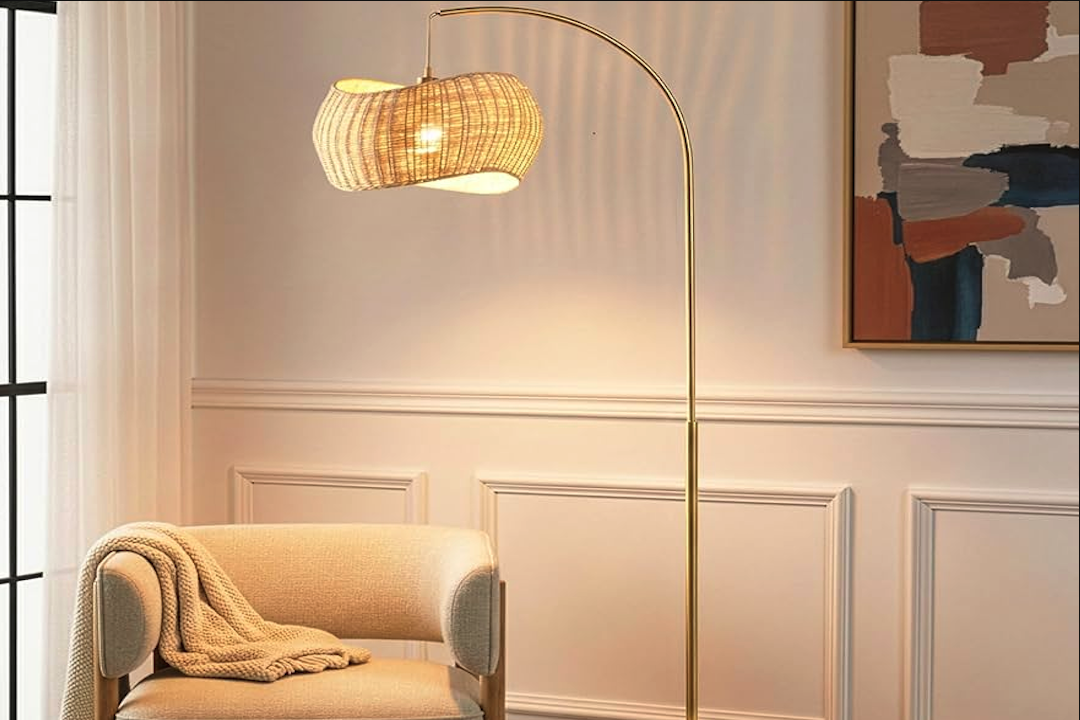
- In a Corner to Brighten the Space: A tall floor lamp can fill an empty corner and add ambient light to the entire room. Choose a lamp with an open weave if you want to maximize light diffusion.
- Flanking a Fireplace or Console Table: Two matching wicker floor lamps can create symmetry and highlight architectural features or decorative pieces. This adds a touch of elegance to the natural material.
- Near a Window to Enhance Natural Light: Position your lamp so it either bounces light around the room or complements the natural light coming in during the day.
Complementary Coastal Elements
Your wicker lamp is not an island; it’s part of a larger design. Think about how it interacts with other elements in your room.
- Color Palette: If your room is heavy on blues and whites, a natural or white-washed wicker lamp will fit right in. If you have more neutral tones, a natural wicker can add lovely texture.
- Other Natural Materials: Pair your wicker lamp with other natural textures like jute rugs, linen curtains, driftwood accents, or seashell decor. This reinforces the organic coastal theme.
- Furniture Styles: Wicker lamps generally work well with furniture that has clean lines or a slightly relaxed vibe. Avoid overly formal or heavily ornate furniture that might clash with the casual nature of wicker.
- Art and Decor: Consider the scale and style of your artwork and decorative items. A large canvas with a seascape will complement your lamp beautifully.
The Functional Benefits of Wicker Floor Lamps
Beyond their aesthetic appeal, wicker floor lamps offer practical advantages that make them a smart choice for any living space, especially one aiming for that relaxed coastal feel.
Ambiance and Lighting Options
The way a wicker lamp casts light is a significant part of its charm.
- Soft, Diffused Light: Lamps with natural or linen shades create a gentle, warm light that’s perfect for creating a relaxed atmosphere. This avoids harsh shadows and makes the room feel more inviting for unwinding.
- Task Lighting: When placed next to a reading chair, a wicker floor lamp provides focused light for reading, crafting, or other activities, making your living room more functional.
- Ambient Lighting: A well-placed floor lamp can contribute to the overall ambiance of the room, providing a warm glow that makes the space feel cozy and complete, especially in the evenings.
Durability and Maintenance
While the natural material might suggest fragility, many wicker floor lamps are surprisingly resilient.
- Natural Rattan and Bamboo: These materials are surprisingly strong and can withstand regular use. With proper care, they can last for years.
- Synthetic Wicker: If you’re in a very humid or coastal environment, synthetic wicker is an excellent choice. It’s designed to resist moisture, fading from sunlight, and general wear and tear, making it a low-maintenance option.
- Easy Cleaning: Typically, wicker requires dusting. For tougher spots, a damp cloth can be used. Avoid harsh chemicals or prolonged soaking, which can damage natural fibers. Ensure any electrical components are kept dry.
Style Considerations for Different Coastal Vibes
Coastal style isn’t a one-size-fits-all concept. Your wicker floor lamp can be a key player in defining your specific take on it.
The Bright and Breezy Coastal Look
This is perhaps the most common interpretation, emphasizing light colors, airy textures, and a feeling of openness.
- White or Off-White Washed Wicker: This is your best friend here. It reflects light, making the room feel even brighter and more expansive.
- Paired with Light Fabrics: Think white linen curtains, light blue or grey upholstery, and natural fiber rugs (like jute or sisal).
- Minimalist Decor: Keep accessories relatively simple – perhaps a few strategically placed shells or coral pieces.
- Open Weave Designs: Lamps with a more open, airy weave will allow the most light to pass through, enhancing the breezy feel.
The Rustic Coastal Retreat
This style leans into a more natural, weathered, and grounded feel, often incorporating darker woods and more texture.
- Natural Wicker: Embrace the raw beauty of unpainted rattan or bamboo. The natural wood tones add depth and warmth.
- Distressed Finishes: Lamps with an antique white or subtly distressed finish can add a sense of history and character.
- Layered Textures: Combine your wicker lamp with chunky knit throws, artisanal pottery, and driftwood pieces.
- Earthy Color Palettes: While still coastal, this might include sandy beiges, muted greens, and deeper blues.
The Modern Coastal Aesthetic
This approach blends classic coastal elements with cleaner lines, more sophisticated finishes, and a refined feel.
- Sleek Wicker Designs: Look for wicker lamps with simpler, more geometric shapes. The weave might be tighter or more uniform.
- Natural Wicker with Metal Accents: Some modern coastal lamps incorporate brushed nickel or matte black metal bases or detailing, adding a contemporary edge.
- Paired with Contemporary Furniture: This could include streamlined sofas, a minimalist coffee table, and abstract coastal-inspired art.
- Balanced Light and Shadow: While still aiming for an airy feel, a modern coastal might play with light more artfully, with a lamp that casts interesting shadows.
Common Pitfalls to Avoid with Wicker Floor Lamps
Even with such a great choice, there are a few things to watch out for to ensure your wicker floor lamp truly elevates your space.
Overcrowding the Space
Wicker lamps, especially those with a natural, open weave, can sometimes appear to take up more visual space than they physically do.
- Scale Matters: Ensure the lamp isn’t too tall or too wide for its intended spot. A lamp that’s too dominant can make a small room feel cramped. Measure your space before you buy.
- Avoid Too Much Wicker: While you’re embracing wicker for your lamp, be mindful of not having too many other dominant wicker pieces in the room. A little goes a long way in creating balance. If your lamp is heavily woven, perhaps opt for smoother textures in your rug and upholstery.
Ignoring the Bulb and Light Quality
The light a lamp emits is crucial to the mood of your room.
- Bulb Lumens: A beautiful wicker lamp is useless if it doesn’t provide adequate light. Check the recommended bulb wattage and lumen output. For ambient lighting, you might want a bulb that diffuses light gently. For reading, you’ll need something brighter.
- Color Temperature: Opt for warm white bulbs (around 2700K-3000K) to create a cozy, inviting atmosphere, which is essential for coastal living. Avoid cool, harsh white lights that can feel sterile.
- Shade Material: As mentioned, the shade significantly impacts light diffusion. A tightly woven wicker shade will cast a different light than a linen shade. Consider what kind of light you want for the specific function of that lamp.
Underestimating Maintenance Needs
While generally easy, natural materials do have specific care requirements.
- Dusting Regularly: Natural wicker can collect dust. A soft brush or a vacuum with a brush attachment will keep it looking its best.
- Avoiding Excessive Moisture: For natural wicker, avoid placing it in areas with constant high humidity or direct exposure to water, unless it’s specifically designed for outdoor use. Synthetic wicker is far more forgiving in this regard.
- Sunlight Exposure: While coastal rooms are bright, prolonged direct sunlight can fade natural wicker over time. If your lamp is in a very sunny spot, consider rotating it or choosing lighter-washed or synthetic options.
By keeping these points in mind, you can confidently select and style a wicker floor lamp that perfectly complements your coastal living room and brings that desired relaxed, seaside charm into your home.