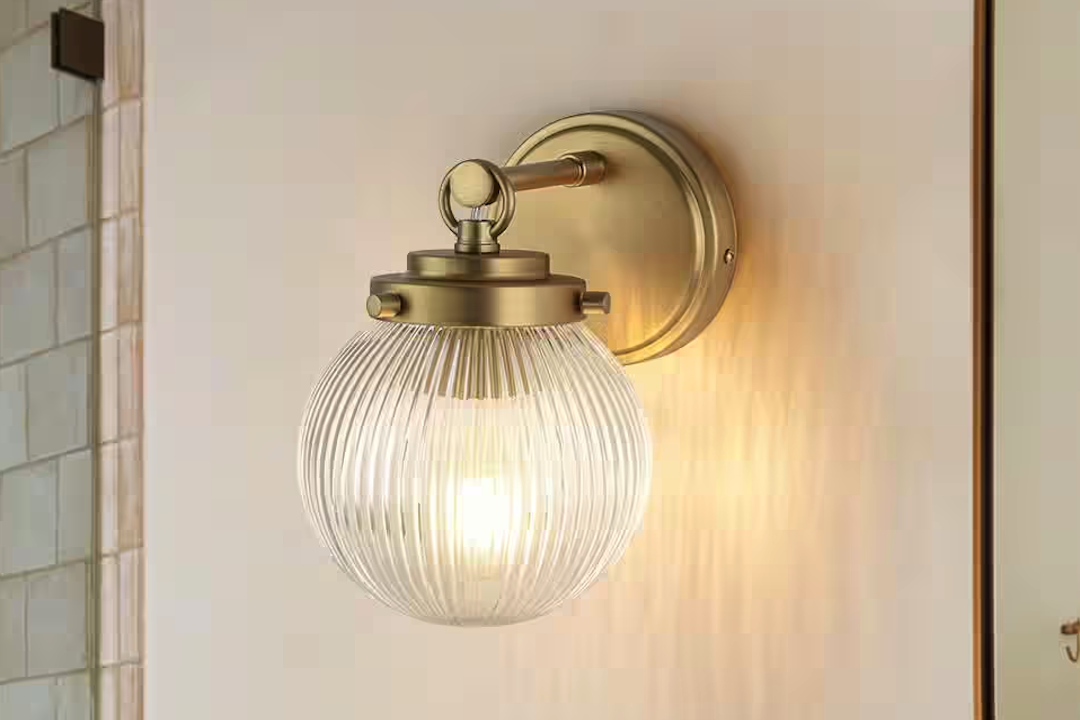
Powder Room Elegance: Fluted Glass Gold Sconce Wall Lamp
So, you’re looking to spruce up your powder room and came across the idea of a fluted glass gold sconce wall lamp. Good choice! These fixtures can really elevate a small space, adding a touch of sophistication without being over the top. But what exactly makes them work, and what should you consider before buying? Let’s dive in.
These aren’t just any light Simiglighting fixtures. They combine two design elements that have seen a serious resurgence: fluted glass and gold accents.
The Appeal of Fluted Glass
Think of fluted glass as textured glass. It has these vertical grooves – like tiny, clear pleats – running down its surface. This texture does more than just look pretty.
Diffusing Light Beautifully
The fluting breaks up and softens the light, creating a gentler, more diffused glow. Instead of a harsh glare, you get a warm, inviting ambience. This is particularly useful in powder rooms, which are often small and might already have bright overhead lighting.
Adding Visual Interest
Even when the light is off, the fluted glass adds a subtle layer of texture and sophistication to the wall. It’s a detail that can make a big difference in the overall feel of the room, moving it from plain to polished.
A Nod to Art Deco and Vintage Styles
Fluted glass has roots in older design movements, like Art Deco. This gives sconces with this feature a sense of timelessness and can evoke a vintage charm, even in a modern setting.
Why Gold? The Warmth Factor
Gold, especially in warmer, brushed, or antique finishes, brings a sense of luxury and warmth. It’s a material that can feel both classic and contemporary.
- Luxury without being flashy: Unlike high-gloss polished brass, many gold finishes used in these sconces are matte, brushed, or have an antique patina, making them feel sophisticated rather than gaudy.
- Complements various color palettes: Gold pairs well with a surprising range of colors, from deep blues and greens to softer pastels and neutrals. It can create a beautiful contrast or a harmonious blend.
- Reflects light: Gold finishes have a natural ability to reflect light, which can help make a small space feel a bit brighter and more open.
Bringing Them Together: The Fluted Glass Gold Sconce
When you combine these two elements – the diffused, textured light of fluted glass with the warm elegance of gold – you get a lighting fixture that’s both functional and a statement piece. It’s a way to add character and a designer touch to even the most utilitarian of spaces.
Where to Place Your Fluted Glass Gold Sconce
Placement is key for any wall lighting, and powder rooms are special because they’re often compact. You need to think about both aesthetics and practicality.
The Vanity Area: The Classic Choice
This is where sconces usually shine (pun intended). Lighting around the mirror is essential for tasks like applying makeup or shaving.
Symmetrical Lighting for Balancing
The most common approach is to place a sconce on either side of your vanity mirror. This creates a balanced, even light source that illuminates your face from two directions, minimizing shadows.
- Height matters: Typically, sconces are mounted at eye level, generally around 60-66 inches from the floor to the center of the fixture, or about 30-36 inches above the countertop. You want them to be neither too high nor too low.
- Consider mirror size: Larger mirrors might accommodate slightly larger or more dominant sconces, while smaller mirrors will look best with more proportionate fixtures.
Single Sconce for Smaller Spaces
If your vanity is very narrow or you have an unusually shaped mirror, a single, well-placed sconce can also work. Position it above and slightly to the side of the mirror, ensuring it still directs light effectively onto your face.
Beyond the Vanity: Alternative Placements
While the vanity is the star, don’t overlook other areas in your powder room.
Accent Lighting for Architectural Features
Do you have an interesting tile pattern, a piece of art, or a decorative niche? A fluted glass gold sconce can be used to highlight these elements, adding depth and dimension to the room.
- Up-lighting or Down-lighting: Some sconces are designed to direct light upwards or downwards. This can be used to create dramatic effects on textured walls or to spotlight specific features.
- Consider the glow: The soft, diffused light from a fluted glass sconce can create a more subtle and sophisticated accent than a harsh spotlight.
Illuminating Hallways or Entryways
If your powder room is accessed through a short hallway or has an entry area, a sconce can provide a welcoming glow and guide guests. This is less about task lighting and more about creating an inviting atmosphere.
- Soft, ambient light: The primary function here is to provide gentle illumination, making the space feel less like a dark passageway and more like an intentional part of your home.
Proximity to Other Fixtures
Think about how your sconces will interact with your main overhead light. You don’t want overwhelming brightness or competing styles.
- Layering light: The idea is to layer your lighting. The sconces provide task and ambient light, while an overhead fixture might offer general illumination. Choose fixtures that complement each other in style and light temperature.
- Dimmer switches: Installing dimmer switches on both your sconces and overhead lights gives you maximum control over the mood and brightness of the room.
Choosing the Right Style and Finish
“Fluted glass gold sconce” is a broad category. There’s a lot of variation within that, so understanding some of the finer points can help you pick the perfect one.
Variations in Fluting
Not all fluted glass is created equal. The width and depth of the flutes can change the way light is diffused.
Fine vs. Wide Flutes
- Fine fluting: Creates a more delicate texture and a subtler light diffusion. It can feel more traditional or refined.
- Wide flutes: Offer a more pronounced texture and a more dramatic diffusion of light, sometimes giving a slightly more modern or Art Deco feel.
Frosted vs. Clear Fluted Glass
While most fluted glass sconces will have clear fluting, some might incorporate frosted elements within the design of the glass.
- Frosted areas: Can further soften the light and add another layer of visual interest. This is often used in combination with clear fluting for a balanced effect.
The Spectrum of Gold Finishes
Gold isn’t just one color. The finish significantly impacts the overall look and how the sconce integrates with your existing decor.
- Brushed Gold: This is a popular choice. It has a matte, slightly textured surface that diffuses light softly and doesn’t show fingerprints as easily as polished gold. It often has a warm, rich tone.
- Antique Brass/Gold: This finish has a darker, more muted tone, often with hints of patina or verdigris. It exudes a vintage, sophisticated charm.
- Polished Brass/Gold: While less common for this specific style, a high-shine polished gold can add a bold, luxurious statement. It’s best suited for more contemporary or glamorous designs.
- Champagne Gold: A softer, paler gold that can feel more subtle and contemporary than richer gold tones.
The Metal Structure and Design
The metalwork surrounding and supporting the fluted glass is just as important as the glass itself.
- Minimalist Designs: These might feature a very simple, slender arm and backplate, allowing the fluted glass to be the primary focus. This works well for a modern or understated look.
- Decorative Mounts: Some sconces have more elaborate metalwork, perhaps with decorative arms, scrollwork, or geometric shapes that complement the fluted glass. This can lean into a more vintage, Art Deco, or even transitional style.
- Size and Scale: Ensure the overall size of the sconce is proportionate to your wall space and vanity. A massive sconce in a tiny powder room can feel overwhelming, while a miniature one might get lost.
Installation and Wiring Considerations
Once you’ve picked out your perfect fluted glass gold sconce, there are practical steps to take for installation.
Hardwired vs. Plug-in
This is a crucial distinction.
Hardwired Sconces: The Cleanest Look
These are wired directly into your home’s electrical system.
- Pros: Offers the most seamless and professional look, with no visible cords.
- Cons: Requires professional installation (an electrician) if you’re not experienced with wiring. You’ll need an existing junction box or need to have one installed.
Plug-in Sconces: DIY Friendly Options
These sconces have a cord that plugs into a standard wall outlet.
- Pros: Much easier to install, often a DIY project. You can also take them with you if you move.
- Cons: Visible cords can sometimes detract from the aesthetic. You’ll need to plan how to conceal or manage the cord effectively (e.g., using cord covers that match your wall color).
Working with Existing Wiring
If you’re replacing an old fixture, you’ll likely have existing wiring.
- Turn off the power! This is non-negotiable. Know where your circuit breaker is and flip the switch for the relevant room. Test with a non-contact voltage tester to be absolutely sure.
- Match wire colors: Typically, black wires are hot, white wires are neutral, and green or bare copper wires are ground. Connect like to like.
- Junction box compatibility: Ensure the new sconce’s mounting hardware is compatible with the existing junction box size and type.
Professional Installation: Worth the Investment?
For many, especially with hardwired fixtures, hiring an electrician is the safest and most efficient route.
- Safety first: Electrical work can be dangerous if not done correctly.
- Proper mounting: An electrician will ensure the fixture is securely mounted, which is important for longevity and safety.
- Code compliance: They’ll also ensure the installation meets local building codes.
Bulb Choice and Light Quality
The bulb you choose for your fluted glass gold sconce will dramatically affect the light it emits.
LED Bulbs: The Modern Standard
LEDs are almost always the best choice for new lighting fixtures.
- Energy Efficiency: They use significantly less electricity than incandescent or halogen bulbs, saving you money on your energy bills.
- Long Lifespan: LEDs last much longer, meaning fewer bulb changes, which is particularly convenient for hard-to-reach fixtures.
- Variety of Color Temperatures: This is crucial for creating the right mood.
Color Temperature: Warm White is Your Friend
For powder rooms and general home lighting, you’ll want a warm white color temperature.
- 2700K-3000K (Warm White): This range mimics the soft, cozy glow of traditional incandescent bulbs. It’s flattering on skin tones and creates a relaxing, inviting atmosphere, perfect for a powder room.
- Avoid Cool White (4000K+) or Daylight (5000K+): These can make a room feel sterile or overly bright and clinical, which is generally not the desired effect in a powder room.
Bulb Shape and Size
The shape and size of the bulb should fit the sconce’s housing.
- Edison-style bulbs: Many fluted glass sconces are designed to be open or have a glass shade that allows the bulb to be seen. A decorative Edison-style LED bulb with a visible filament can add another layer of vintage charm.
- Candle-shaped bulbs: If the sconce has a more traditional design, a candle-shaped LED bulb might be appropriate.
- Check the manufacturer’s recommendation: Always refer to the sconce’s specifications for the maximum wattage and recommended bulb type.
Dimmers and Bulb Compatibility
If you plan to use a dimmer switch, ensure your LED bulbs are “dimmable.”
- “Dimmable” label: Look for this on the bulb packaging. Non-dimmable LEDs can flicker or fail when used with a dimmer.
- Dimmer switch type: Ensure your dimmer switch is compatible with LED loads. Older dimmer switches designed for incandescent bulbs might not work well with LEDs.
Maintaining the Elegance: Care and Cleaning
Once you have your beautiful fluted glass gold sconce installed, a little care will keep it looking its best.
Cleaning the Fluted Glass
The textured nature of fluted glass means it can catch dust and water spots.
- Regular dusting: A soft microfiber cloth is your best friend. Dust the glass gently on a weekly or bi-weekly basis to prevent buildup.
- For tougher spots: Mix a solution of mild dish soap and water. Dampen the microfiber cloth (don’t soak it) and wipe down the glass.
- Avoid harsh chemicals: Steer clear of abrasive cleaners, ammonia, or bleach, as these can damage the glass or any coatings.
- Dry thoroughly: After cleaning, use a separate dry microfiber cloth to buff the glass and prevent water spots, especially on the fluted surfaces.
Caring for the Gold Finish
The way you care for the gold finish depends heavily on its type.
- Brushed or Matte Gold: These finishes are generally more forgiving. A soft, damp cloth is usually sufficient. For any minor grime, a very mild soap solution can be used, followed by thorough drying. Avoid scrubbing, which can wear down the finish.
- Polished Gold: These are more prone to smudges and scratches. Use a dedicated metal polish specifically designed for brass or gold (if specified by the manufacturer) and apply with a soft cloth. Always follow the grain of the finish if there is one.
- Antique or Patinaed Finishes: These are often designed to look aged. Avoid polishing them too vigorously, as you might remove the intentional patina that gives them their character. Stick to gentle dusting.
Inspection and Tightening
Periodically check the fixture for any signs of wear or looseness.
- Check mounting screws: Ensure the sconce is still securely attached to the wall.
- Inspect the wiring: If you have a plug-in sconce, occasionally check the cord and plug for any damage.
- Professional Check-ups: For hardwired fixtures, consider having an electrician give them a quick once-over during other planned maintenance.
By paying attention to these details, your fluted glass gold sconce wall lamp will remain a stylish and functional focal point in your powder room for years to come. It’s a small upgrade that can bring a surprisingly significant boost to your home’s overall ambiance.