Modern Black Track Lighting: Rotatable Heads
You’re looking at modern black track lighting with rotatable heads and wondering what makes it tick, how it works, and most importantly, if it’s right for your space. The short answer is: it’s a super flexible lighting solution that lets you aim light exactly where you need it, offering a sleek, contemporary look without much fuss. Let’s dive into the details so you can decide if it’s the perfect fit for your home or project.
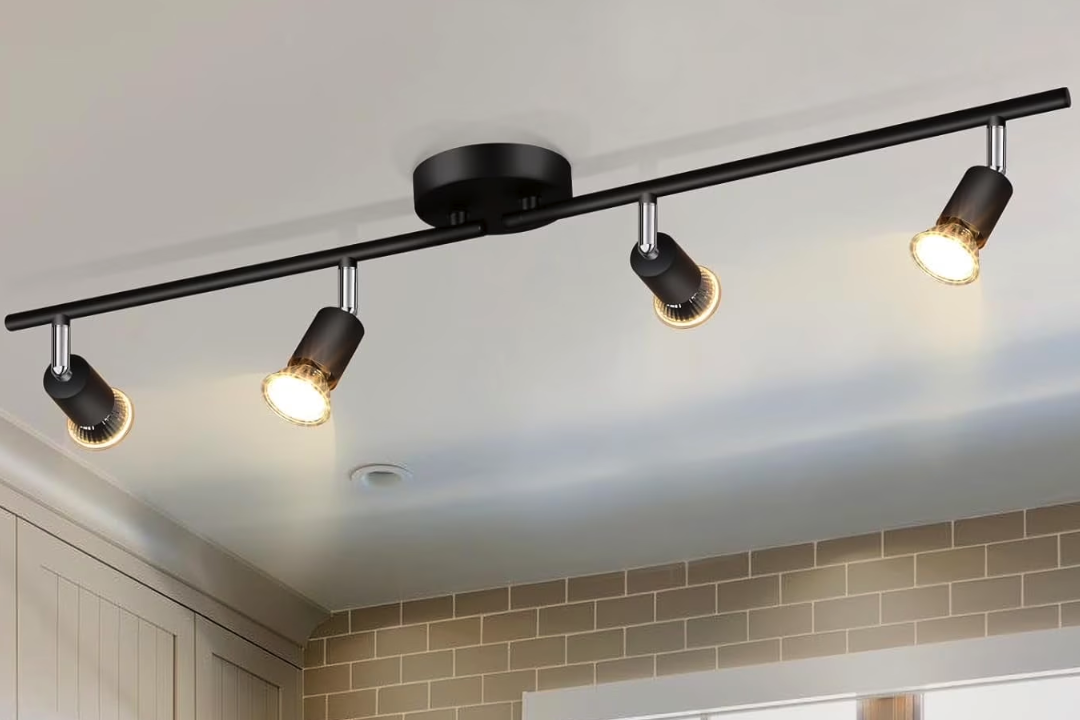
Think of track lighting as a system. You’ve got a track (usually a metal bar) that mounts to your ceiling or wall, and then you have individual light fixtures Lovefanli, called heads, that attach to that track. What makes the modern black versions particularly popular is their minimalist aesthetic. Black is a versatile color that can blend in or make a statement, and the “modern” often implies a sleeker design than older track lighting styles.
The “Track”: The Foundation of Flexibility
The track itself isn’t just a piece of metal; it contains electrical conductors. This is the magic part. The track powers multiple light fixtures, allowing you to place them anywhere along its length. This means you’re not locked into fixed points of light like you are with a standard ceiling fixture. You can customize the layout later if your needs change.
Types of Tracks
- Monopoint vs. Multipoint: Most modern systems are multipoint, meaning they have multiple circuits for more complex setups. However, some simpler, single-fixture tracks also exist.
- Surface Mount vs. Recessed: Surface mount tracks are installed directly onto the ceiling or wall, adding a bit of visual presence. Recessed tracks are integrated into the ceiling, creating a very clean, minimalist look.
- H-Type, J-Type, L-Type: These refer to different channel profiles that determine which types of track heads are compatible. Modern black systems often use H-type, which is very common and offers a wide range of fixture options.
The “Heads”: The Star of the Show
The real appeal of these systems lies in the track heads. They are the actual light-emitting components. In the case of modern black track lighting with rotatable heads, these heads are designed to be both functional and visually appealing.
What Does “Rotatable” Really Mean?
When we say “rotatable heads,” we mean they can move on at least two axes. Typically, this involves:
- Articulation: The head can pivot up and down, allowing you to adjust the angle of the light beam. This is crucial for directing light onto specific objects or areas.
- Rotation: The head can swivel left and right, giving you even more control over the direction.
This dual-axis movement means you can precisely aim your light wherever you need it. For example, you could point a light directly at a piece of art, down a hallway, or at a reading chair.
Design and Aesthetics: Why Black and Why Modern?
The choice of black for track lighting isn’t just a color fad; it’s a deliberate design decision that offers several advantages in contemporary interiors.
The Power of Black
Black is a sophisticated and versatile color. In lighting, it can:
- Create a Seamless Look: On dark ceilings or walls, black track lighting can almost disappear, making the light itself the focus. This is especially true for recessed systems.
- Add a Touch of Drama: For lighter walls or ceilings, black track can act as a graphic element, adding a modern edge and definition.
- Goes with Everything: Unlike brighter or more specific colors, black is a neutral that complements virtually any décor style, from minimalist and industrial to bohemian or transitional.
Modern Design Sensibilities
“Modern” in track lighting often translates to:
- Sleeker Profiles: Gone are the bulky, utilitarian designs of older track systems. Modern heads are often cylindrical, conical, or have clean, geometric shapes.
- Minimalist Hardware: The focus is on the light source, with hardware designed to be as unobtrusive as possible.
- Integrated Technology: Some modern systems incorporate smart features or energy-efficient LED technology from the outset.
Combining Black and Modernity
When you combine black with modern design, you get lighting that’s not just functional but also a statement piece. It can elevate a room, providing targeted illumination while adding a touch of architectural interest. It’s a way to be intentional about your lighting choices, making them work for your design, not just illuminate it.
How the Rotatable Heads Actually Work: The Mechanics Behind the Movement
So, how do these heads swivel and tilt so easily? It’s all about hinges and pivots, designed to be smooth and durable.
The Swivel and Tilt Mechanism
Typically, the track head is attached to a mounting point on the track via an arm or a bracket. This connection point is where the magic happens:
- Ball Joints: Many modern heads use a ball-and-socket joint. This allows for a wide range of motion in multiple directions, similar to your own shoulder joint.
- Pivot Points: Other systems might use a series of carefully placed hinges and pivots. For instance, one pivot might control the up/down tilt, while another controls the left/right swivel.
- Friction Fits: The movement is usually controlled by friction. You move the head to the desired position, and it stays there. There are no visible locking screws or complicated mechanisms that would detract from the clean aesthetic. The engineer has designed it so that the weight of the head and the tension in the joint keep it in place.
Durability and Smoothness
Manufacturers of quality track lighting put a lot of thought into making these joints smooth and long-lasting. You want heads that are easy to adjust without being loose, and that will hold their position reliably over time. Looking for brands that emphasize quality materials and construction can ensure a better user experience.
Practical Applications: Where and Why to Use Them
The versatility of rotatable heads means they can be a go-to solution for a surprisingly wide range of lighting needs.
Accent Lighting: Highlighting What Matters
This is perhaps the most common and effective use for rotatable heads.
Showcasing Artwork and Décor
- Precise Aiming: You can angle the light directly onto paintings, sculptures, or decorative objects without spilling light onto surrounding walls or creating glare.
- Creating Mood: By highlighting specific items, you draw attention to them and create focal points within a room. This can dramatically enhance the perceived value and impact of your décor.
- Flexibility: If you rearrange your art ordécor, you can simply reposition the track heads to match. No need for new wiring.
Architectural Features
- Detail Illumination: Use them to draw attention to interesting textures on a wall, unique moldings, or architectural details like columns or beams.
- Washing Walls: By angling the heads slightly away from the wall, you can create a “wall wash” effect, which evenly illuminates the surface.
Task Lighting: Illuminating Your Work and Activities
Beyond aesthetics, rotatable heads are fantastic for functional lighting.
Kitchen Applications
- Countertops: Position heads to shine directly onto kitchen countertops for food preparation, preventing shadows from your body.
- Islands and Peninsulas: Aim lights to illuminate the entire surface of an island for cooking, serving, or casual dining.
- Sink Areas: Ensure the sink area is well-lit for washing dishes and general kitchen tasks.
Home Offices and Study Areas
- Desk Illumination: Direct light precisely onto your workspace to reduce eye strain.
- Reading Nooks: Create a focused pool of light for comfortable reading.
General Illumination: Filling the Gaps
While often used for accent and task lighting, rotatable heads can also contribute to overall room brightness.
Creating Layered Lighting
- Ambient Light: By angling multiple heads to wash walls or the ceiling, you can contribute to the general ambient light in a room.
- Combining with Other Fixtures: Track lighting works best when it’s part of a layered lighting scheme, complementing ambient, accent, and task lighting from other sources like floor lamps or recessed downlights.
Installation and Compatibility: Getting It Set Up
One of the primary advantages of track lighting is its relative ease of installation compared to traditional in-ceiling fixtures. However, there are a few things to consider.
Power Source and Track Types
- Power Feed: The track needs to be connected to a power source, usually from an existing junction box in the ceiling. This is typically done at one end of the track, but some systems offer mid-feed options for longer runs.
- Track System Compatibility: This is crucial. Not all track heads will fit all tracks. Tracks are categorized by profiles like H-type, J-type, and L-type. Modern black systems predominantly use H-type, but it’s vital to ensure your chosen heads are compatible with your track. Most manufacturers will specify this clearly.
DIY vs. Professional Installation
- DIY Friendly: For those comfortable with basic electrical work (turning off power at the breaker, connecting wires), installing a surface-mount track system can be a manageable DIY project.
- When to Call a Pro: If you’re planning a complex layout, integrating recessed tracks, or are not confident with electrical wiring, it’s always best to hire a qualified electrician. They can ensure the installation is safe and up to code.
Choosing the Right Heads and Track Length
- Layout Planning: Before you buy, sketch out your room and where you envision the track going. Consider the room dimensions and where you want the light to fall. This will help determine the track length and the number of heads you’ll need.
- Beam Angle: Track heads come with different beam angles (e.g., narrow spot, flood, wide flood). A narrow beam is great for highlighting small objects, while a wider beam is better for illuminating larger areas.
- Brightness (Lumens) and Color Temperature: Match the lumen output and color temperature (warm white, cool white) to the function of the light and the overall mood of the room.
Considerations and Potential Downsides
While modern black track lighting with rotatable heads offers a lot of advantages, it’s not without its potential drawbacks. Being aware of these can help you make a more informed decision.
Visual Bulk and Aesthetics
- Visible Track: Even though the heads are sleek, the track itself is still a visible element. On very low ceilings or in minimalist spaces, it might be considered a visual interruption.
- Wire Management: While newer systems are much cleaner, older or poorly installed track lighting can sometimes look a bit messy if wires aren’t concealed properly.
Limitations of Rotatability
- Range of Motion: While “rotatable” implies significant movement, there are still physical limits to how far a head can turn or tilt. This is usually dictated by the design of the fixture and its connection to the track. You can’t typically bend it around corners, for example.
- Shadowing: If you have many heads very close together on the same track, their beams might overlap and create interesting shadow patterns, which might not always be desirable.
Cost
- Initial Investment: While track lighting can be cost-effective for covering large areas compared to individual pendant lights or ceiling fixtures, the initial investment for a quality track system, including the track, power feeds, and multiple heads, can be higher than a single standard light fitting.
- Bulb Replacement: While most modern track heads use integrated LEDs, older or lower-quality models might use separate bulbs. This adds to ongoing maintenance costs.
Maintenance and Cleaning
- Dust Accumulation: Like any light fixture, track heads can accumulate dust. Their shape and articulation points can sometimes make them a bit trickier to dust thoroughly compared to a simple lampshade.
- Joint Wear: Over many years, the pivot points on the heads could potentially loosen, although this is less common with well-made fixtures.
Even with these points, for many people, the benefits of flexibility, precise control, and modern design outweigh the potential downsides. It’s all about understanding what you need the lighting to do and how it will integrate into your space’s overall look and feel.