Retro Kerosene Lanterns: Perfect for Outdoor Camping
Thinking about bringing a kerosene lantern on your next camping trip? You’re not alone! Many campers are rediscovering these classic pieces of gear, and for good reason. Kerosene lanterns offer a unique blend of warm, ambient light, reliability, and a certain nostalgic charm that electric options just can’t replicate. They’re not just pretty; they’re also practical for outdoor adventures.
The Cozy Glow: Why Kerosene Lanterns Shine Outdoors
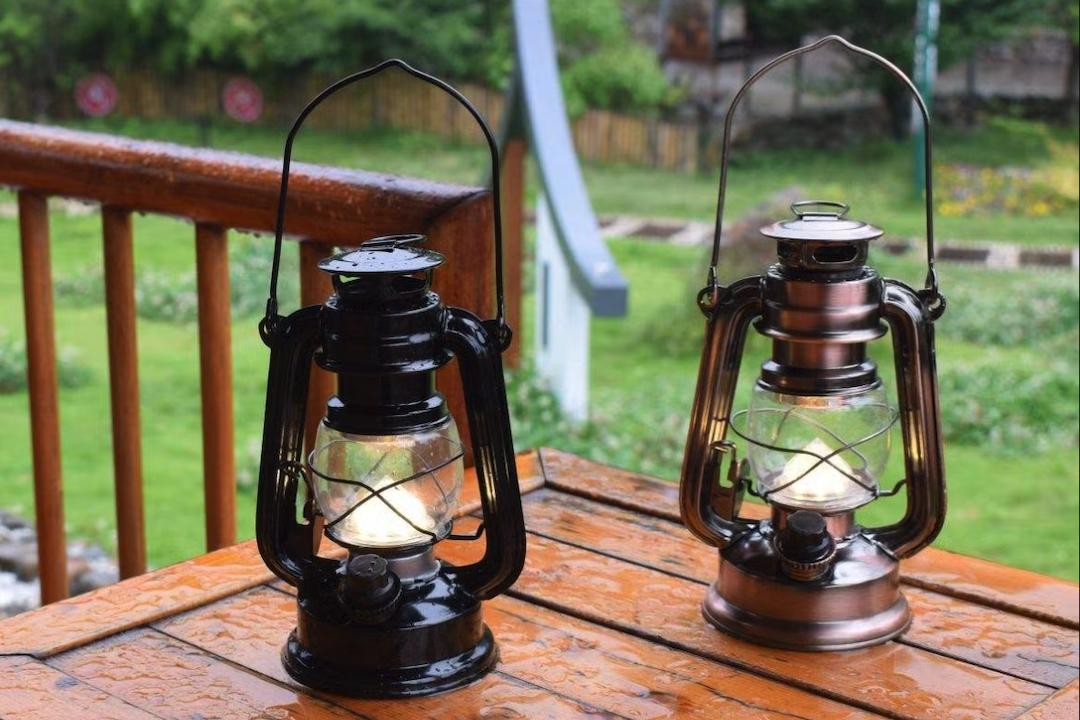
There’s something undeniably comforting about the steady, flicker-free glow of a kerosene lantern. It’s a different kind of light Nepten than what you get from an LED headlamp. Instead of a harsh, focused beam, a kerosene lantern casts a soft, warm illumination that creates a cozy atmosphere. Imagine sitting around the campfire, the only light source being this gentle glow – it’s the perfect mood for sharing stories or just unwinding after a long day of hiking. This kind of lighting is also incredibly useful for general campsite activities. You can easily see your surroundings, set up your tent, or prepare a meal without that jarring brightness that can disrupt sleep patterns.
Beyond Ambiance: Practical Perks of Kerosene
While the ambiance is a big draw, let’s talk about the practical advantages. Kerosene isn’t exactly a new technology, and that’s part of its strength. It’s reliable, and as long as you have fuel, you have light. Unlike battery-powered lights, you don’t have to worry about finding a power source to recharge or carrying a stash of extra batteries that might die at the worst moment. Kerosene is readily available in most places that sell camping supplies, and a small amount goes a long way. This longevity makes them a cost-effective option over time, especially if you camp frequently.
Choosing the Right Kerosene Lantern for Your Needs
Not all kerosene lanterns are created equal, and picking the right one for your camping style is key. Think about how much light you’ll need and where you’ll be using it.
Size Matters: Compact vs. Full-Sized
For minimalist campers or those who prioritize pack weight and space, a smaller, more compact lantern might be ideal. These are easier to pack and don’t take up much room in your gear. They generally provide enough light for a small tent or a picnic table.
On the other hand, if you’re car camping or have more space to spare, a larger, full-sized lantern can provide brighter, more widespread illumination. These are great for illuminating a larger campsite area, making it feel more like an outdoor living room. They often have larger fuel reservoirs, meaning they can burn for longer periods.
Material and Durability: Built to Last
When you’re out in the elements, you need gear that can withstand a bit of a beating. Look for lanterns made from sturdy materials like steel or brass. These metals are known for their durability and long lifespan. Also, consider the globe material. While glass is common, it can be fragile. Some lanterns come with metal guards or even polycarbonate globes, which are more shatter-resistant, a definite plus when you’re roughing it.
Fueling Up: Understanding Kerosene and Its Alternatives
The heart of your kerosene lantern is its fuel. It’s important to know what to use and what to avoid for both performance and safety.
The Standard: K-1 Kerosene
The most common and recommended fuel for these lanterns is K-1 kerosene. This is a refined grade of kerosene that burns cleaner and produces fewer fumes and odor compared to other types. It’s also less likely to clog the wick. You can usually find K-1 kerosene at hardware stores, gas stations, and outdoor retailers.
When to Use Alternatives (and When Not To)
While K-1 kerosene is king, you might encounter other options. Some sources suggest using lamp oil. High-quality lamp oils are often very similar to K-1 kerosene and are designed for clean burning and minimal odor. However, always check the manufacturer’s recommendations for your specific lantern.
What about gasoline or diesel? Absolutely not. These fuels are highly volatile, produce dangerous fumes, and will likely damage your lantern. Stick to what the lantern is designed for – kerosene or a good quality lamp oil.
Operation and Maintenance: Keeping Your Lantern Burning Bright
Like any piece of equipment, a kerosene lantern needs a little care to perform its best and last a long time. It’s not complicated, but a few simple steps can make a big difference.
Getting Lit: The Proper Ignition
First, make sure the lantern is on a stable, level surface. Carefully fill the fuel reservoir, being careful not to overfill. Allow the wick to soak for a good few minutes – this is crucial! A dry wick won’t draw fuel properly, leading to poor light and potential damage. Once the wick is saturated, trim it so it’s even and about 1/8 inch above the burner. Then, light the wick. Adjust the flame to get the desired brightness. You’ll want a steady, consistent light, not a lot of flickering or smoking.
Basic Care: Cleaning and Wick Management
Regular cleaning is key. When the lantern is cool, wipe down the exterior with a damp cloth. Periodically, you’ll want to clean the inside of the globe to remove soot. The wick will also need attention. Over time, the wick can become uneven or carbonized. Trimming the wick is usually enough for regular maintenance. If the wick becomes too worn, it will need to be replaced. Most lanterns have a simple mechanism for accessing and replacing the wick, and replacement wicks are widely available.
Safety First: Using Kerosene Lanterns Responsibly
Kerosene lanterns offer a lot of benefits, but they are open flames, so safety needs to be your top priority. It’s not about being scared; it’s about being prepared and making smart choices.
Ventilation is Key
Never, ever use a kerosene lantern in an enclosed space like a tent, RV, or a poorly ventilated cabin. The combustion process consumes oxygen and produces carbon monoxide, which is odorless and deadly. Always ensure plenty of fresh air circulation. When using it inside a vehicle or enclosed shelter (which is generally not recommended for safety reasons), it should only be for extremely brief periods and with ventilation open.
Fire Prevention Pointers
Always place your lantern on a stable, non-flammable surface. Keep it away from anything that can easily catch fire – sleeping bags, curtains, dry leaves, or anything in your tent. Before going to sleep, make sure the lantern is completely extinguished and has had time to cool down. When refueling, ensure the lantern is cool to the touch and do it outdoors.
Emergency Preparedness
Know how to extinguish your lantern quickly. Most have a simple mechanism to snuff out the flame. Keep a fire extinguisher or water source nearby, especially when using it for extended periods or in dry conditions. Understanding the basic operation and safety protocols will ensure you can enjoy the benefits of your kerosene lantern without any incident.
Beyond the Campfire: Other Uses for Kerosene Lanterns
While camping is their prime domain, the charm and reliability of kerosene lanterns mean they have a place in other situations too.
Power Outages at Home
Let’s face it, power outages happen. When the grid goes down, your fancy LED flashlights might be useless if their batteries are dead. A kerosene lantern, with a bit of stored fuel, can provide essential lighting for your home, allowing you to move around safely, prepare food, or even read a book by a comforting light. Just remember the ventilation rule, especially if you’re in a smaller dwelling.
Decorative Flair
Beyond practicality, some people simply love the aesthetic of kerosene lanterns. They can add a vintage touch to outdoor patios, decks, or even indoor spaces where appropriate ventilation is assured. Their warm glow can create a romantic or rustic atmosphere for gatherings or quiet evenings. Think of them as both functional lighting and a piece of decor.
Investing in a Kerosene Lantern: Is It Worth It?
So, after all that, is a kerosene lantern a good investment for your outdoor adventures? For many, the answer is a resounding yes. They offer a distinct kind of light and atmosphere that electric options can’t replicate. They are reliable, cost-effective in the long run, and can be incredibly practical. While they do require a bit more attention and a commitment to safety than a simple battery-powered light, the rewards – that warm, inviting glow and the sense of connection to a classic way of doing things – are well worth it for many campers. They are a solid addition to any outdoor enthusiast’s kit.