Art Deco Lighting Trends in Small City Dining Rooms
Thinking about adding some Art Deco flair to your small city dining room? You’re in for a treat! Art Deco lighting can be a fantastic way to inject personality and elegance into a compact space, making it feel more luxurious and inviting. The key is to be strategic with your choices, focusing on pieces that enhance the room without overwhelming it. We’ll explore how to achieve this with a look at some current trends.
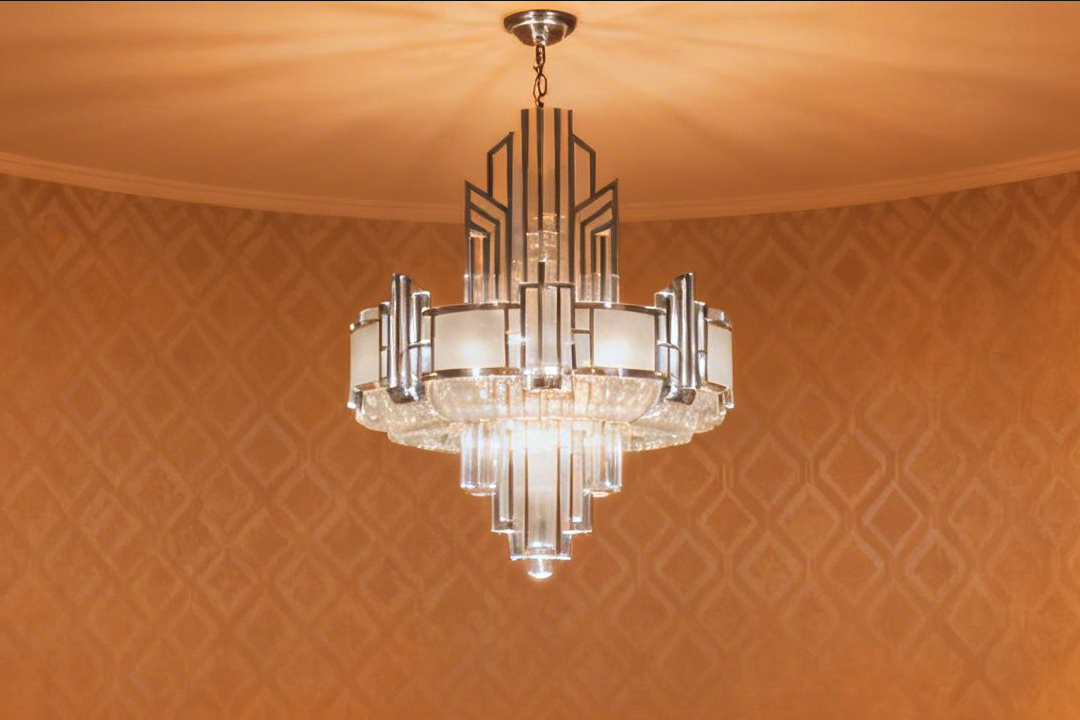
When we think of Art Deco lighting Homenoco, chandeliers often come to mind. While grand and beautiful, they can easily dominate a small dining room. The trend for smaller spaces is leaning towards statement pendant lights that offer a similar visual impact but in a more proportionate size.
Geometric Genius
Art Deco is all about strong geometric shapes, and this is perfectly translated into pendant lighting. Think clean lines, stepped forms, and symmetrical designs.
Cubes and Rectangles with a Twist
Instead of a sprawling chandelier, consider a well-proportioned rectangular pendant with frosted glass panels and polished chrome or brass accents. These can be hung slightly lower than a traditional chandelier to create a more intimate feel above the dining table.
The Deco Sphere
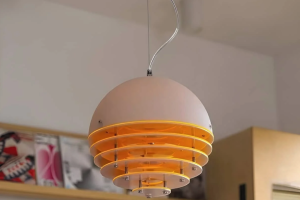
A spherical pendant, often with a radiating pattern of metal spokes or intricate etched glass, can also be a striking choice. When scaled correctly, these create a focal point without being visually heavy. Look for designs with multiple bulbs within the sphere to ensure adequate light without a single, overpowering source.
Material Matters: Brass, Chrome, and Glass Combinations
The materials used in Art Deco lighting are crucial to its aesthetic. For small spaces, the play of light on these materials is even more important.
The Warmth of Brass
Polished or brushed brass adds a touch of warmth and luxury that can make a small dining room feel cozier. It catches and reflects light beautifully, contributing to a sense of opulence.
The Sleekness of Chrome
Chrome offers a cooler, more modern Art Deco feel. It’s excellent for reflecting light and can make a small room feel brighter and more expansive. Its mirror-like quality can also bounce ambient light around the space.
Frosted and Etched Glass
Frosted or etched glass is a hallmark of Art Deco lighting. It diffuses light softly, preventing harsh glares and creating a more inviting atmosphere. Intricate etched patterns, often featuring stylized motifs like sunbursts or chevrons, add a decorative element without visual clutter.
Wall Sconces: Layering Light and Adding Architectural Interest
Wall sconces are often overlooked in small dining rooms, but they are invaluable for layering light and adding a touch of Art Deco’s architectural sensibility. They provide ambient light and can highlight decorative elements on your walls.
Uplighting Elegance
Many Art Deco sconces are designed to cast light upwards, creating a sophisticated glow that washes the ceiling and adds a sense of height. This is particularly effective in rooms with lower ceilings.
Fan-Shaped and Scalloped Designs
Look for sconces with fan-shaped or scalloped silhouettes. These often feature ribbed or frosted glass shades and metallic details, mimicking architectural elements.
Geometric Lanterns
Small, geometric wall lanterns can also work well. These might be square or rectangular, with etched glass panels and metal frames. They offer a more contained light source and can be placed strategically to illuminate specific areas or artwork.
Linear and Streamlined Forms
For a more minimalist Art Deco interpretation, consider linear sconces. These can be mounted vertically or horizontally and offer a clean, architectural line.
Mirror-Integrated Sconces
Some contemporary Art Deco-inspired sconces incorporate small mirrors, which are fantastic for small spaces as they reflect light and create the illusion of more depth.
Miniature Torchieres
Think of them as scaled-down versions of Art Deco floor lamps. These uplighting sconces add a touch of drama without taking up precious floor space.
Table Lamps: A Touch of Intimacy and Character
While not the primary light source for a dining area, table lamps can add a wonderful layer of ambient light and a personal touch to your small dining room. They are perfect for creating a cozy atmosphere before or after the main meal.
Iconic Silhouettes
Art Deco table lamps often feature distinctive shapes that draw inspiration from the era’s architectural and sculptural trends.
Stepped Bases and Columnar Forms
Lamps with stepped bases, reminiscent of ziggurats, or slender, columnar bodies are classic Art Deco. These can be made from materials like polished brass, chrome, or even dark wood.
Sculptural Elements
Some lamps incorporate more sculptural elements, such as stylized figures or abstract shapes. When choosing for a small space, opt for these with a relatively small footprint.
Shade Choices for Soft Illumination
The lampshade plays a vital role in how the light is distributed and the overall mood.
Silk and Fabric Shades
Soft silk or fabric shades in neutral tones or jewel colors can diffuse light beautifully, creating a warm and inviting glow. Pleated or fringed details add a vintage touch.
Glass Shades with Art Deco Motifs
Some table lamps feature glass shades with etched or painted Art Deco motifs, such as stylized floral patterns or geometric designs. These are best used for accent lighting.
Task Lighting: Illuminating the Practicalities with Style
Even in a small dining room, you might need focused light for serving or for reading a menu. Art Deco offers stylish solutions for this without sacrificing aesthetic.
Undercabinet and Shelf Lighting
If you have any built-in cabinets or shelving in your dining room, discreet Art Deco-inspired lighting can be incorporated.
Mini Spotlights
Small, polished chrome or brass spotlights can be mounted under cabinets to illuminate serving areas or display items.
Strip Lighting with a Deco Touch
While often associated with modern design, subtle strip lighting can be integrated into Deco-style shelving units, perhaps with a frosted diffuser to soften the glow.
Accent Lighting for Artwork or Decorative Pieces
If you have any art or decorative objects in your dining room, Art Deco lighting can be used to highlight them.
Small, Articulated Wall-Mounted Spots
These allow you to direct light precisely where you need it, bringing out the details of your chosen pieces. Look for designs with elegant metallic finishes.
Picture Lights with Deco Flair
While less common, you can sometimes find picture lights with decorative metalwork that echoes Art Deco patterns.
Smart Placement and Scale: The Golden Rules for Small Spaces
The most crucial aspect of incorporating Art Deco lighting into a small city dining room is thoughtful placement and careful consideration of scale. It’s all about creating impact without clutter.
The Rule of Three (for lighting elements)
In a small room, you don’t need an overwhelming number of fixtures. Aim for a balance: a main pendant, perhaps a pair of sconces, and maybe one table lamp. This provides layered illumination without making the space feel crowded.
Defining the Dining Area
The primary lighting fixture, usually a pendant or chandelier, should be centered over your dining table. The size of the fixture should be in proportion to the table, not the entire room. A good rule of thumb is that the fixture should be about two-thirds the width of your table.
Height Matters
Hanging height is critical. For a pendant light over a dining table, the bottom of the fixture should typically be about 30-36 inches above the tabletop. This ensures it’s low enough to create intimacy but high enough not to be an obstruction.
Don’t Be Afraid of Lower Ceilings
For rooms with lower ceilings, opt for semi-flush mount fixtures or slim pendant lights that hang closer to the ceiling. Uplighting sconces can also help create a sense of height.
Visual Weight and Transparency
Consider the visual weight of your fixtures. A very solid, dark fixture can make a small room feel smaller. Opt for designs with open metalwork, glass elements, or lighter finishes.
The Power of Reflection
Mirrored surfaces, whether in the lighting fixture itself or through strategically placed mirrors, can dramatically enhance the sense of space. Art Deco designs often incorporate reflective metals and glass, which is a natural fit for this.
Creating Zones with Light
Even in a small room, you can use lighting to create distinct zones. For example, the pendant over the table provides task and ambient light for dining, while a table lamp in a corner can create a cozy reading nook or a spot for after-dinner drinks.
Integrated Lighting in Furniture
If your dining room incorporates built-in furniture, like a sideboard or display cabinet, consider integrated lighting. This keeps the visual lines clean and adds a touch of modern Deco sophistication.
The Impact of Dimmers
No matter the style of lighting you choose, installing dimmers is a game-changer for any dining room, especially a small one. Dimmers allow you to control the mood and intensity of light, transforming the space from functional to intimate with the flick of a switch. This is particularly useful for Art Deco lighting, where the interplay of light and shadow is so important.
By being mindful of these trends and practical considerations, you can use Art Deco lighting to transform your small city dining room into a stylish and inviting sanctuary. It’s about choosing pieces that have personality, purpose, and are perfectly scaled for your space.