Authentic Cottage Lighting Trends: Embracing Natural Patina
The main question people have about authentic cottage lighting and natural patina is often: “How do I get that genuinely aged, lived-in look without it feeling fake or overly rustic?” The answer boils down to embracing materials that naturally evolve, opting for designs that reflect timeless craftsmanship, and understanding that perfection isn’t the goal. It’s about light fixtures that tell a story, developing character over time rather than being static decorative objects.
When we talk about “authentic cottage lighting,” we’re not just discussing a style; we’re talking about a feeling. It’s about creating an atmosphere that feels inherited, comfortable, and connected to the past, even if it’s a newly built home. Natural patina plays a crucial role in achieving this.
Beyond the “Distressed” Look
Many mass-produced items try to mimic age with a “distressed” finish, which often looks exactly what it is: manufactured. Natural patina, on the other hand, is the genuine result of oxidation, wear, and exposure to the elements. It’s the subtle darkening of brass, the delicate rust on iron, or the softened sheen of wood that has been touched and admired for decades. This organic process cannot be replicated perfectly, and that’s its beauty. It adds depth, texture, and a sense of history that a factory finish simply can’t.
Creating a Sense of Timelessness
Cottage aesthetics often lean into timelessness. Trends come and go, but the appeal of materials that age gracefully endures. Lighting fixtures with natural patina contribute significantly to this. They anchor a room, suggesting that they’ve been there for generations, providing warmth and illumination through changing eras. This sense of continuity makes a cottage feel less like a decorated space and more like a cherished home.
Key Materials for Authentic Patina
Choosing the right materials is the cornerstone of achieving natural patina in your cottage lighting. Not all metals and finishes age in the same way, and understanding these differences will guide your selections.
Unlacquered Brass
This is arguably the king of natural patina. Unlacquered brass starts as a shiny, golden material but, over time, reacts with oxygen and moisture to develop a rich, complex brown or even greenish-black hue. The beauty is in its unpredictability – no two pieces will patina exactly alike.
- How it Ages: It darkens unevenly, creating subtle variations in tone. Areas that are touched frequently might remain lighter, while recessed spots deepen in color. This natural “wear and tear” is what gives it so much character.
- Maintenance (or Lack Thereof): The best way to maintain unlacquered brass for an authentic look is to do nothing at all. Resist the urge to polish it, as that will remove the very patina you’re trying to achieve. If you prefer a lighter look, occasional gentle cleaning with water and a soft cloth is sufficient.
- Where to Use It: Excellent for pendant lights over a kitchen island, wall sconces in hallways, or even a small desk lamp. Its warmth complements natural wood tones and earthy color palettes.
Forged Iron and Raw Steel
These materials bring a rustic, industrial, yet undeniably cottage-appropriate feel. They are robust and develop beautiful, often subtle, rust and darkening over time.
- How it Ages: Raw steel will naturally oxidize, forming a protective layer of rust that can vary from deep orange to a mottled reddish-brown. Forged iron, often treated with oils or waxes, will also deepen in color and develop a soft sheen, sometimes showing faint rust in humid environments.
- Protecting the Patina: While you want the rust, you don’t want it to become destructive. Many raw steel or iron fixtures are sealed with a clear matte lacquer or wax to stabilize the rust and prevent it from flaking or staining surrounding surfaces. This allows the visual appeal of the patina without structural degradation.
- Versatility: Ideal for larger, more substantial fixtures like chandeliers, outdoor lanterns (if properly sealed for weather), or industrial-style sconces. Their dark tones create a strong visual anchor.
Copper
Copper is another fantastic material for natural patina, known for its beautiful transformation from a bright, reddish-orange to a deep brown, and eventually to the iconic green-blue verdigris.
- The Verdigris Process: This green-blue patina is a hallmark of aged copper. It develops more readily outdoors due to exposure to rain and air pollution, but even indoors, copper will darken and eventually develop subtle hints of green if left unpolished.
- Indoor vs. Outdoor: For interior cottage lighting, you’ll likely see more of the rich brown patina unless the fixture is in a very humid environment. Outdoor copper lights, like porch lanterns, are prime candidates for full verdigris.
- Application: Excellent for accent lighting, smaller pendants, or detailed elements within a larger fixture. Its changing colors add a dynamic element to your lighting scheme.
Aged Wood and Distressed Ceramic
While not metals, these materials also contribute significantly to the patina-rich cottage aesthetic.
- Aged Wood: Look for fixtures with unsealed or minimally sealed wood, or reclaimed wood. Over time, sunlight, touch, and general use will soften the wood’s appearance, deepening its color and highlighting its grain. Faux wood can be convincing, but nothing beats the authentic texture and subtle imperfections of real aged timber.
- Distressed Ceramic/Pottery: Hand-thrown ceramic bases for lamps, or ceramic shades for pendants, can develop a beautiful patina through crazing (fine cracks in the glaze) or subtle staining over time. Unfinished bisque or terra cotta also ages gracefully, absorbing oils and showing signs of handling.
Designs that Enhance Patina
The fixture’s design itself plays a crucial role in how effectively natural patina contributes to the overall aesthetic. Simpler, more classic designs often allow the material’s aging process to shine through.
Understated Elegance
Cottage lighting is rarely about grand, elaborate statements. Instead, it focuses on functionality and quiet beauty.
- Minimalist Forms: Simple shapes like bell-shaped pendants, classic gooseneck sconces, or basic lantern designs allow the material’s texture and evolving color to be the star. Overly ornate designs can sometimes compete with or obscure the beauty of the patina.
- Clear or Seeded Glass: These types of glass enhance the visibility of the metalwork and its patina. Clear glass offers an unhindered view, while seeded glass adds a subtle texture that diffuses light charmingly, without distracting from the aged metal.
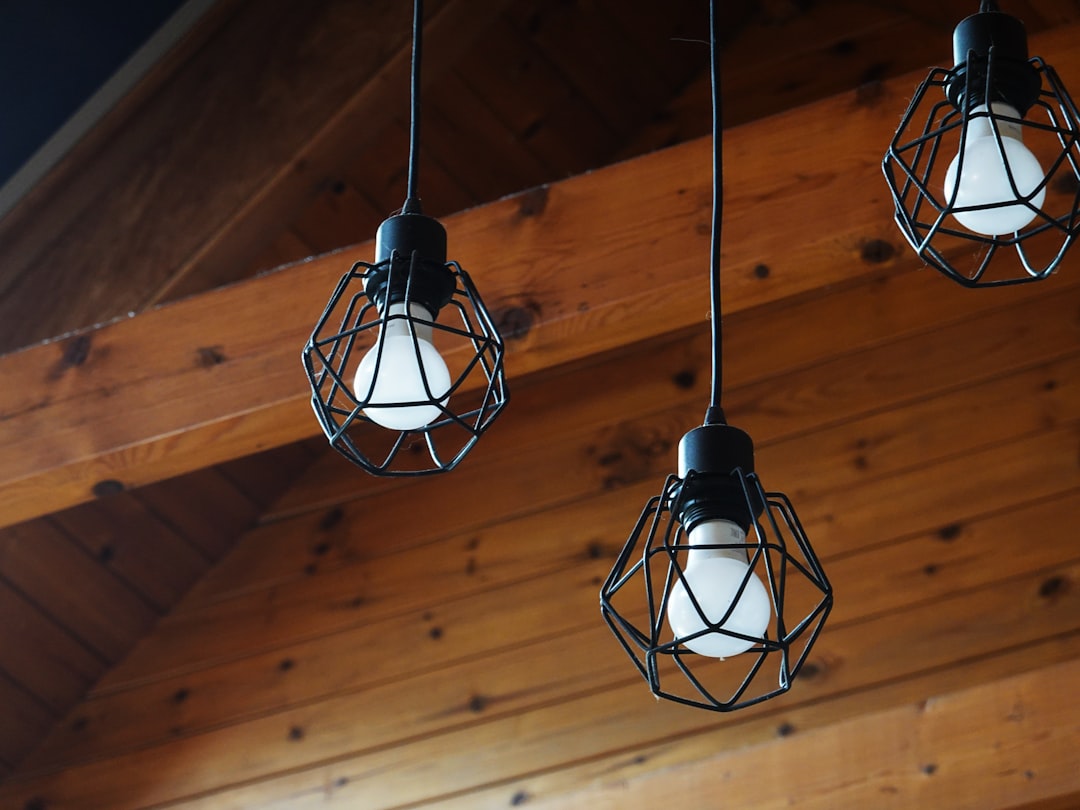
- Exposed Bulbs: In some cottage styles, especially those leaning into industrial or farmhouse influences, exposed filament bulbs (LED versions are readily available) complement the raw, authentic feel of patinated metals.
Practicality and Functionality
Authentic cottage lighting often prioritizes practical illumination alongside aesthetics.
- Task Lighting: Consider adjustable sconces or swing-arm lamps in unlacquered brass or aged iron for reading nooks or bedside tables. The mechanisms themselves, when made from these materials, will also develop a patina over time, adding to the fixture’s character.
- Warm Light Temperatures: Pair your naturally aged fixtures with LED bulbs that emit a warm white light (2700K-3000K). This complements the earthy tones of the patina and creates that cozy, inviting cottage glow. Avoid harsh, cool-toned lighting.
Incorporating Vintage and Salvaged Pieces
One of the most effective ways to introduce authentic patina is to source lighting from vintage or antique markets.
- The Real Deal: Vintage fixtures already possess the genuine wear and patina that only time can create. Look for old brass ship lights, industrial factory pendants, or cast-iron street lamps that can be repurposed indoors.
- Rewiring for Safety: When buying vintage, always have the fixture professionally inspected and rewired by a qualified electrician. This ensures it meets modern safety standards.
- Mixing and Matching: Don’t be afraid to mix vintage pieces with newly manufactured ones made from similar patinating materials. The contrast often highlights the beauty of both.
Placement and Integration
Where and how you place your lighting fixtures can either amplify or diminish the impact of natural patina.
Layered Lighting Approach
A well-lit cottage relies on a combination of light sources, not just one overhead fixture. This layered approach allows each patinated fixture to contribute to the overall ambiance.
- Ambient Lighting: A central pendant or small chandelier in aged brass or iron can provide general illumination.
- Task Lighting: Sconces, floor lamps, or table lamps with patinated bases offer focused light for specific activities.
- Accent Lighting: Smaller, subtle fixtures can highlight architectural features or artwork, further drawing attention to the aged materials.
Complementary Surfaces and Textures
The surrounding environment plays a significant role in how your patinated lighting is perceived.
- Natural Woods: Patinated metals pair beautifully with unfinished or lightly stained wood beams, flooring, and furniture. The varying textures and tones create a cohesive, earthy feel.
- Textured Walls: Plaster, limewash, or subtly textured wallpaper provides a soft backdrop that allows the metallic patina to stand out without feeling stark. Avoid overly smooth, modern finishes if you’re aiming for authenticity.
- Earthy Color Palettes: Muted greens, soft blues, warm grays, and off-whites provide a harmonious backdrop for patinated fixtures. These colors enhance the organic feel and allow the lighting to blend naturally into the space.
Outdoor Lighting Considerations
Don’t forget the exterior! Patinated outdoor lighting instantly elevates a cottage’s curb appeal and creates a welcoming first impression.
- Weather-Resistant Materials: Copper and certain types of sealed iron are excellent choices for outdoor use as they are designed to withstand the elements and develop their beautiful patinas in the process.
- Consistent Style: Extend the same philosophy of natural patina to your outdoor sconces, lanterns, and pathway lights for a seamless transition from exterior to interior.
- Security and Ambiance: Outdoor lighting isn’t just for looks; it provides security and extends the usable hours of your outdoor spaces. Choose fixtures that are both aesthetically pleasing and functionally effective.
Long-Term Appeal of Patina
Embracing natural patina in your cottage lighting isn’t just about current trends; it’s an investment in the long-term character and beauty of your home.
It Gets Better with Age
Unlike many home decor items that look their best when new and then degrade, materials that develop a natural patina actually improve with age. Each scratch, each subtle darkening, each shift in color tells a story and adds to the fixture’s unique identity. This means your lighting won’t look “dated” in a few years; it will simply look more cherished and authentic.
Sustainability and Craftsmanship
Choosing materials that age gracefully often aligns with more sustainable practices. Many patinating metals are durable and long-lasting, reducing the need for frequent replacement. Additionally, many fixtures made from these materials are handcrafted or produced by artisans who prioritize quality and traditional techniques over mass production. This focus on craftsmanship further enhances the authentic cottage feel.
A Reflection of Lived-In History
Ultimately, authentic cottage lighting with natural patina is about creating a home that feels lived-in, loved, and full of history – whether it’s truly old or brand new. It’s about warmth, character, and an undeniable charm that resonates deeply. By allowing your fixtures to develop their own unique story through the natural aging process, you’re not just illuminating a space; you’re enriching it with a timeless beauty that feels genuinely yours.